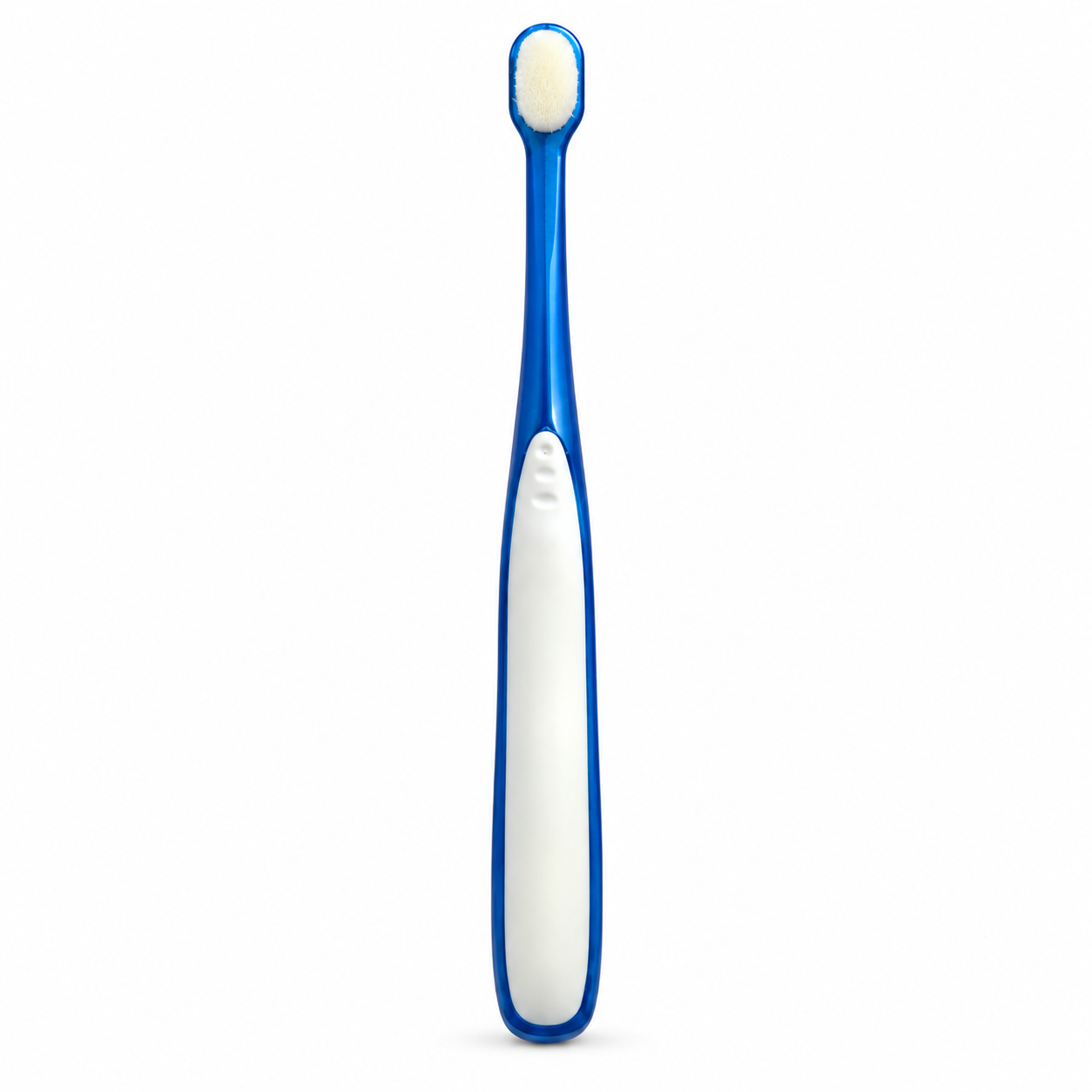
Gentle toothbrushes for dogs
Choose a right-sized brush for puppies, small breeds, or larger mouths—designed for calm, controlled daily care.
Match the brush to mouth size and handling comfort. Small dogs may need a compact head or single-tuft brush, while dogs that accept close hand contact may do better with a finger brush. Rinse after each session, replace worn bristles or silicone, and keep home brushing separate from veterinary care.
Compare the small dog toothbrush, follow the dog brushing steps, and check how often to brush dog teeth.
For a non-product comparison, review what to compare in a toothbrush for a small dog before choosing a brush style.
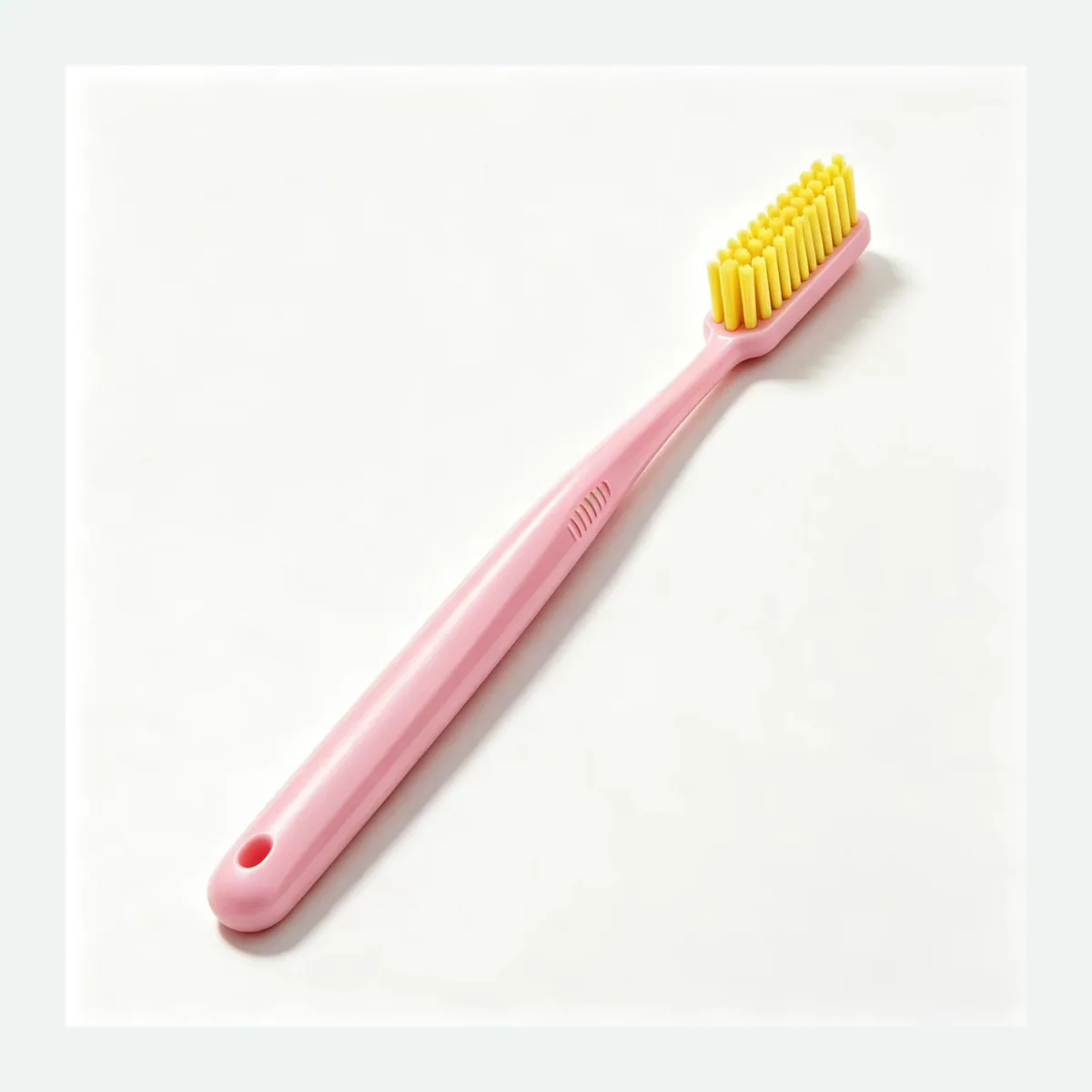
Slim Soft-Bristle Toothbrush for Medium and Large Dogs
Narrow neck supports controlled reach
$16.904-brush pack
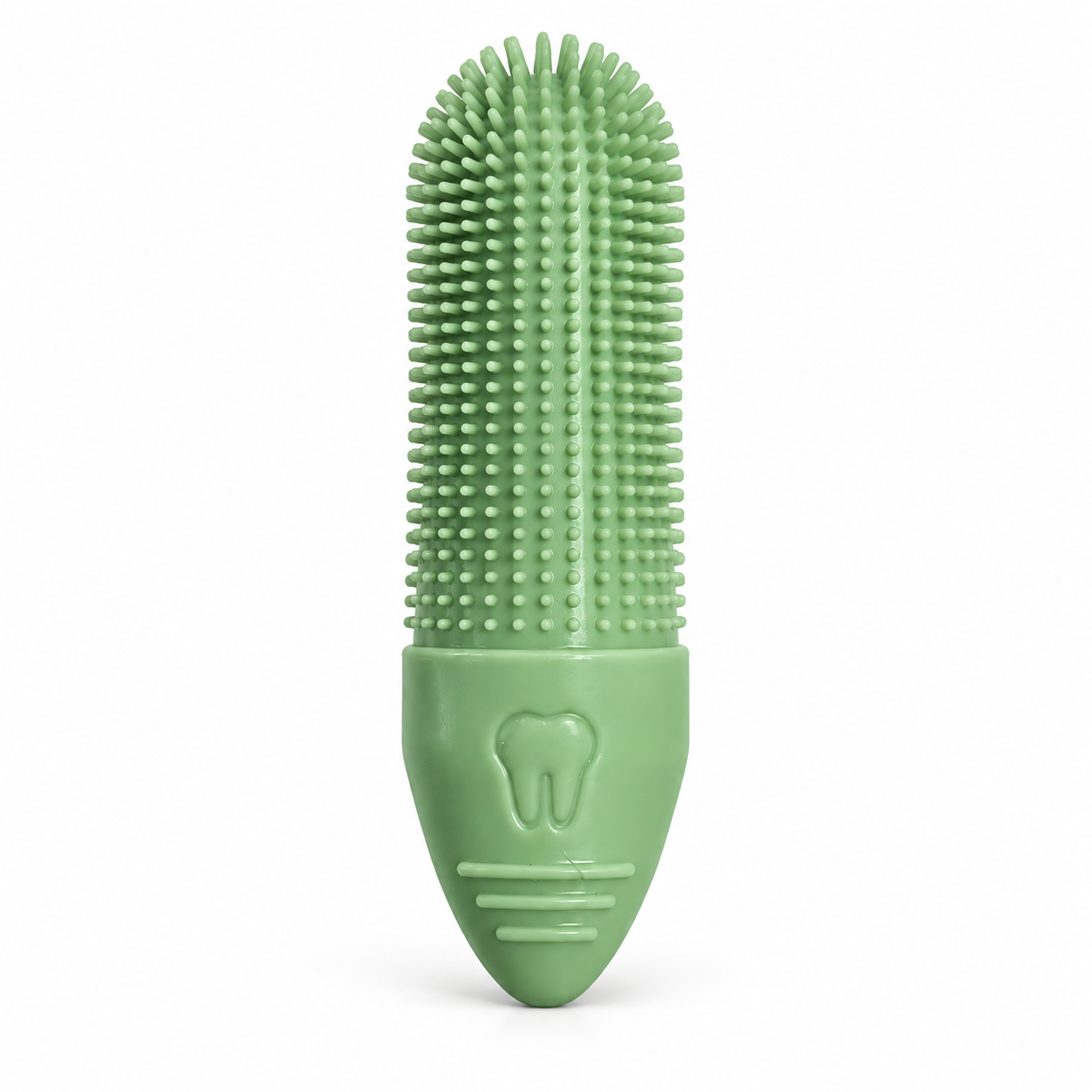
360° Silicone Finger Toothbrush for Dogs and Puppies
Flexible silicone contact surface
$16.904-brush pack
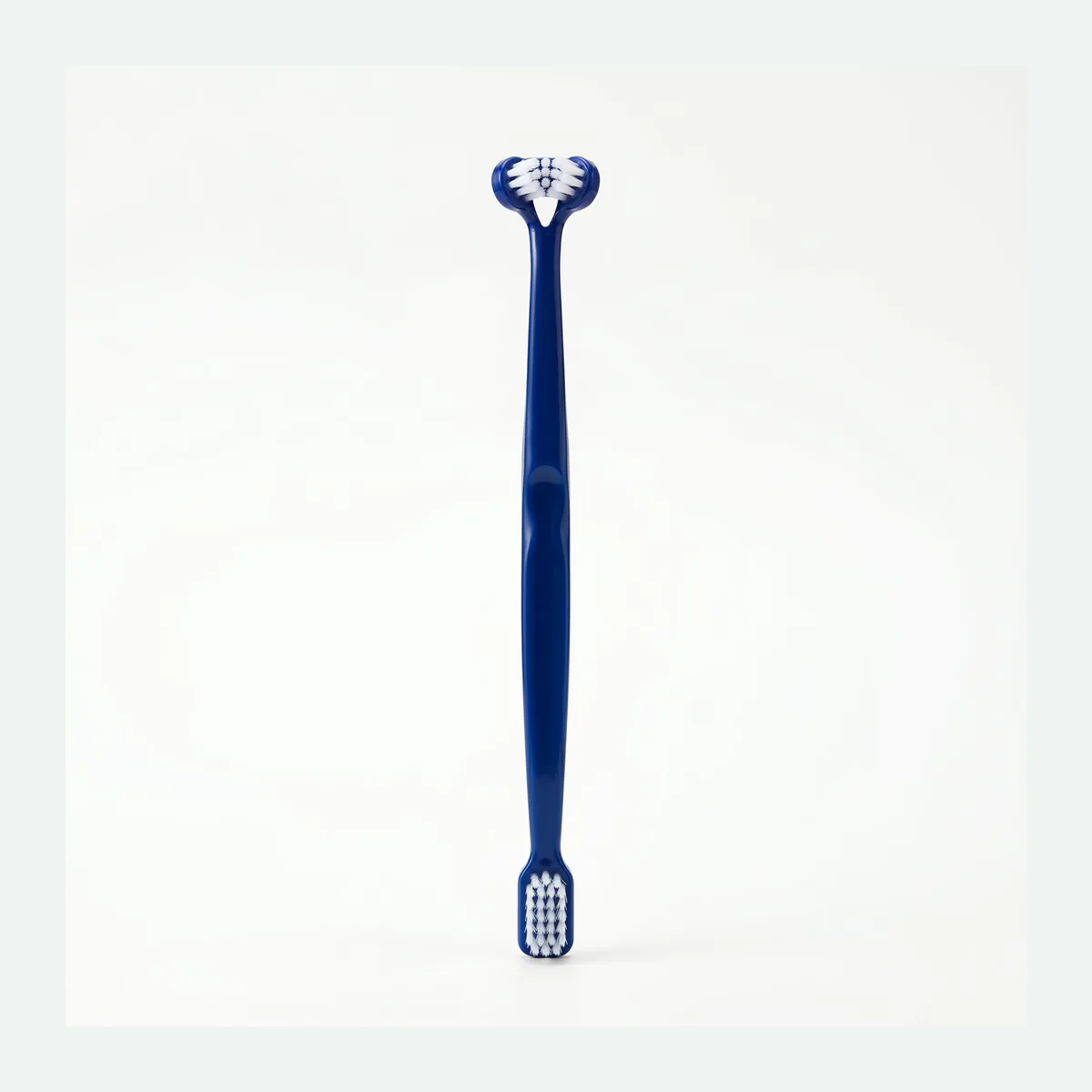
Double-Head Dog Toothbrush with Two Brush Sizes
Double-head design offers two brushing options in one toothbrush
$16.904-brush pack
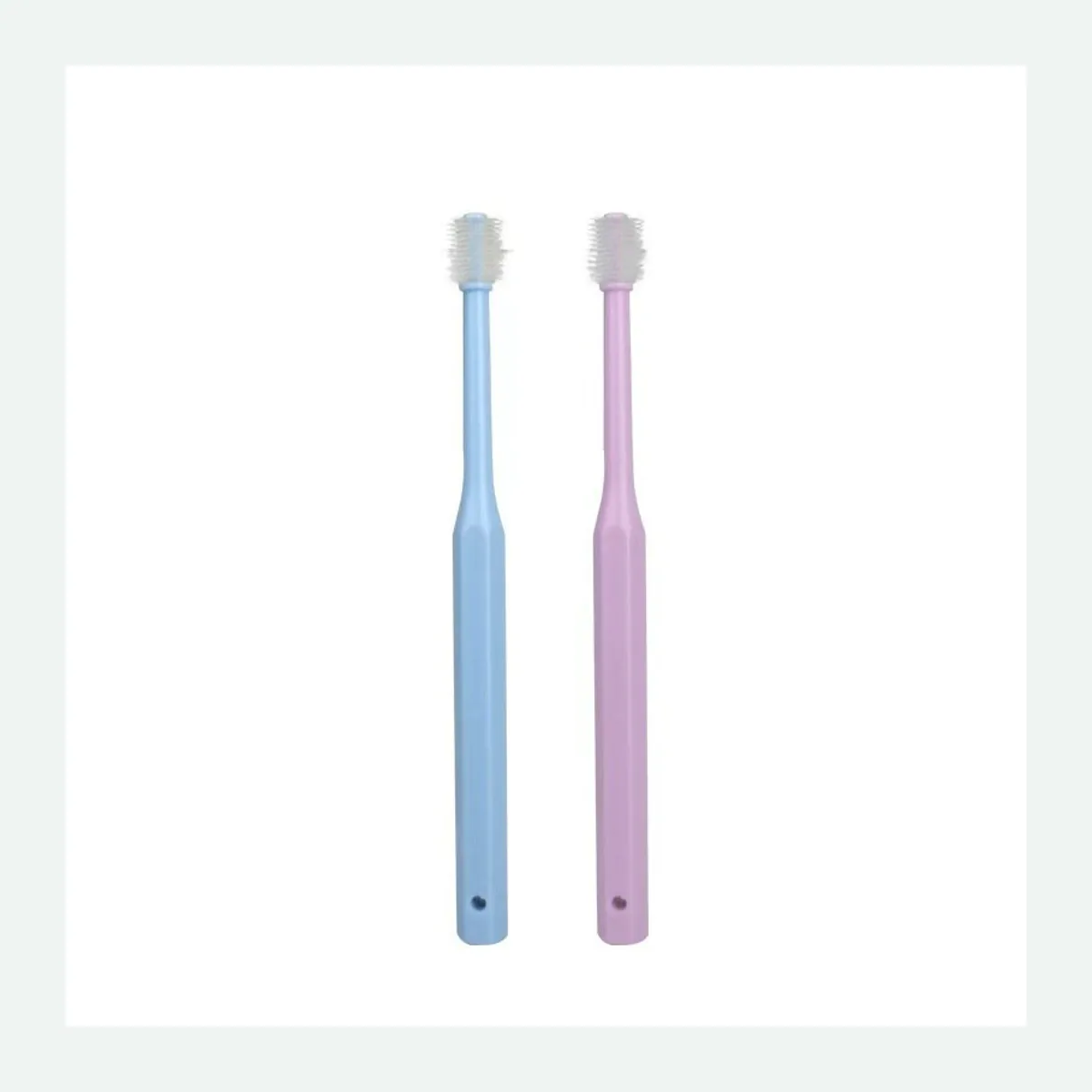
360° Pet Toothbrush for Dogs and Cats
360-degree brush head provides contact from multiple angles
$16.904-brush pack
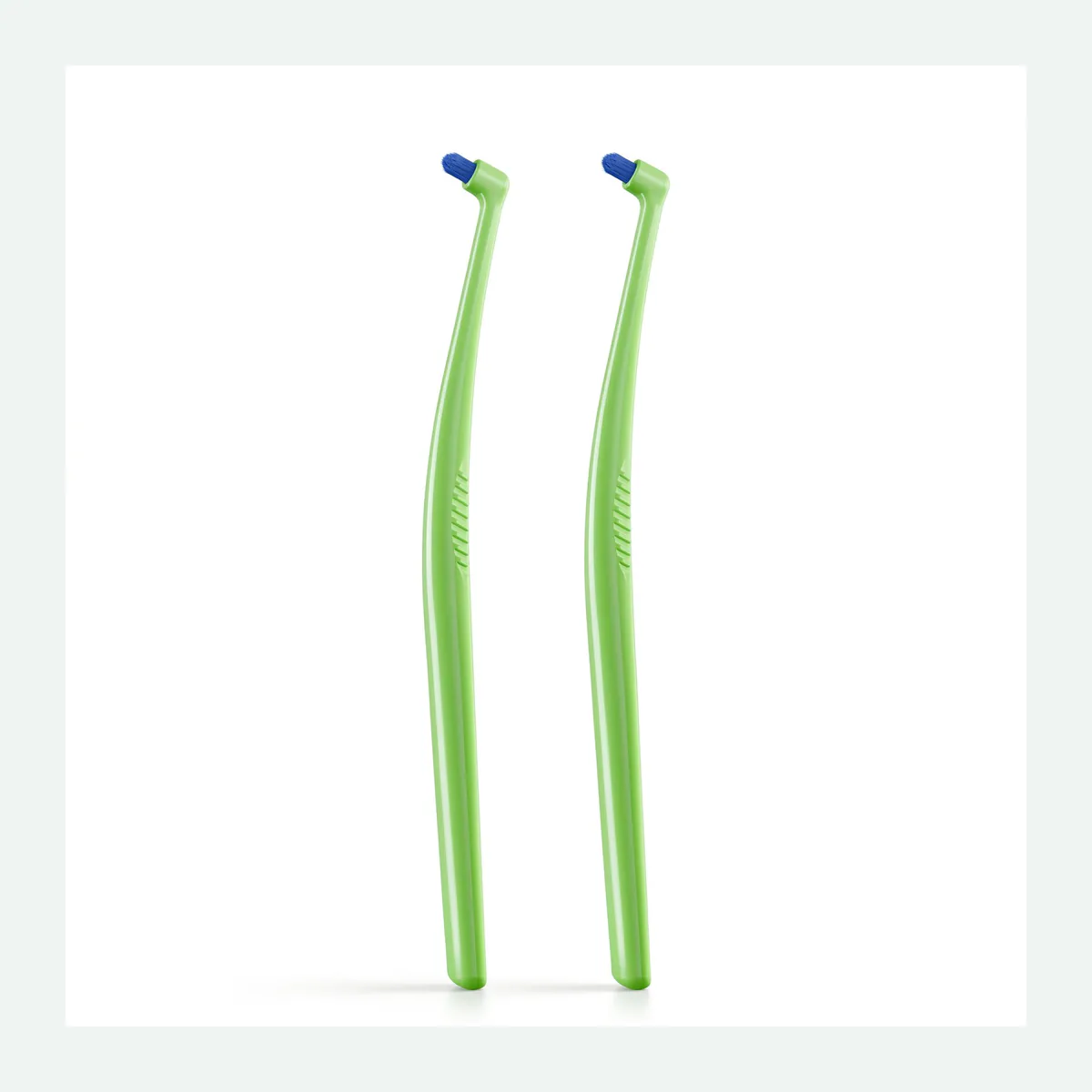
Angled Single-Tuft Toothbrush for Small Dogs and Puppies
Angled handle helps reach back teeth more easily
$16.904-brush pack
For your dog. For your everyday.
How to Choose a Dog Toothbrush
A dog toothbrush should match your dog's mouth, behavior, and current comfort with handling. Compare compact, finger, slim handled, 360-degree, and double-head designs by the amount of reach and control they provide. Introduce the brush gradually instead of expecting a complete session on the first day.
Start with the area you can reach while your dog is relaxed and the mouth remains mostly closed. The brush head should not require you to stretch the lips or force the jaw open. The handle or finger fit should feel stable, and the brushing surface should be clean and undamaged before every use.
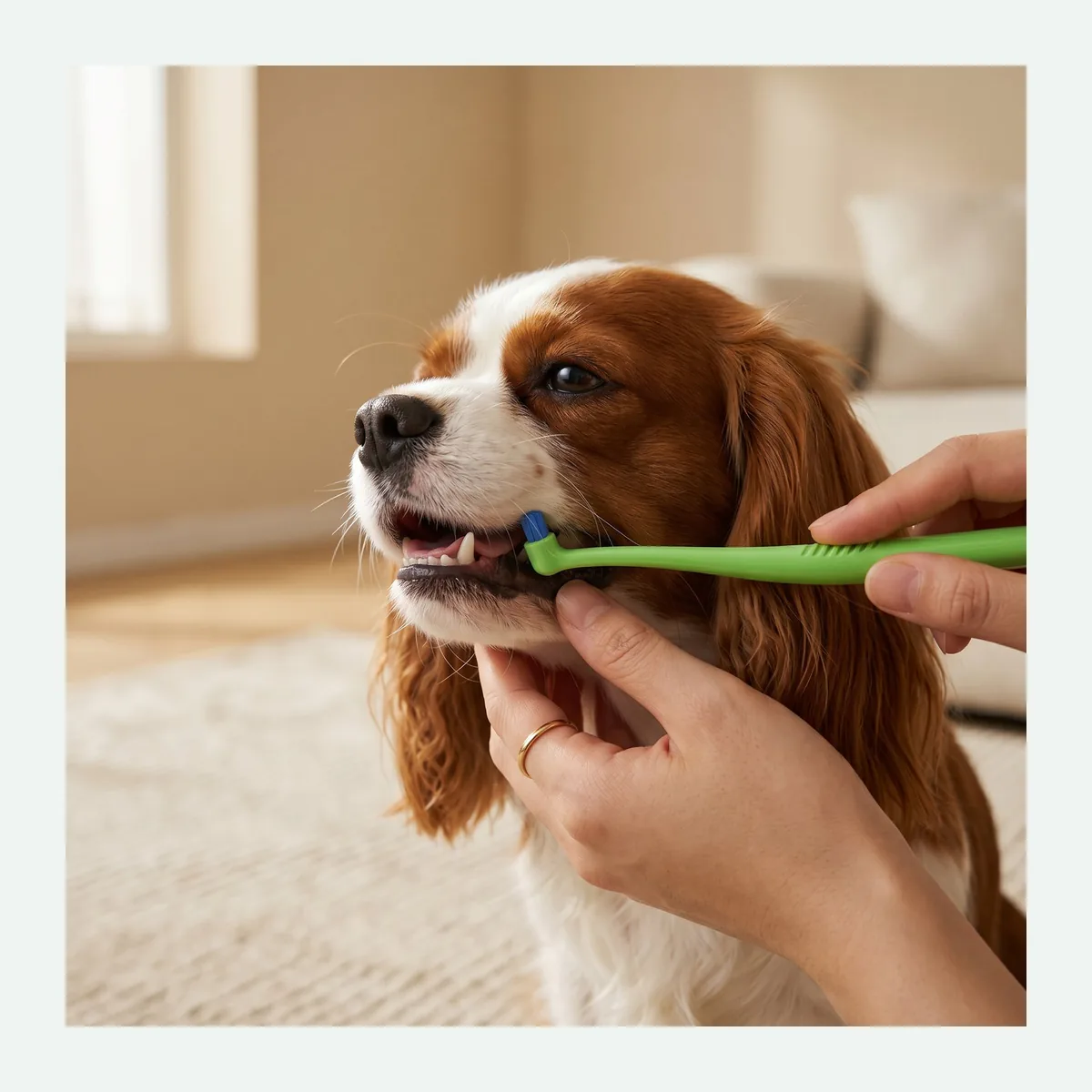
Find a comfortable fitDifferent shapes.
Different shapes.
The same gentle intention.
Compare dog toothbrush styles by reach, grip and the space you can comfortably access.
01
Compact and single-tuft brushes
For a puppy or small dog, a compact head or single-tuft design can help you focus on one reachable area at a time. The single-tuft small dog and puppy toothbrush is the transaction-focused option for smaller mouths. New puppy owners can first read the best puppy toothbrush guide to compare handled and finger styles.
02
Dog finger toothbrushes
A dog finger toothbrush places the brushing surface over a finger for close control. It can support short introduction sessions when the fit is secure, but it is not suitable for every dog. Choose a handled option if your dog tends to chew at fingers, snaps at objects near the mouth, or makes it difficult to keep the brush stable.
03
Slim handled brushes
For a medium or large dog, a slim soft-bristle handled toothbrush may provide more reach along the reachable outer surfaces of back teeth. The handle keeps fingers farther from the chewing surfaces, but it still needs a gradual introduction and light pressure.
04
Double-head and 360-degree designs
A double-head brush offers two head sizes in one handle, while a 360-degree design places brushing contact around the head. These features do not guarantee better results by themselves. Fit, gentle pressure, a secure grip, and a routine your dog accepts still matter.
Handled or Finger Toothbrush for Dogs?
Handled toothbrushes keep your fingers farther from the teeth and can offer useful reach. They may suit dogs that already accept a toothbrush and pet parents who prefer a conventional grip. Finger brushes keep control close to the hand and can feel familiar during brief introductions, but they should fit securely and should not be used when a dog bites down or guards the mouth.
There is no single best style for every dog. Read the handled brush versus finger brush comparison to choose by mouth size, chewing behavior, reach, and training stage.
Soft-Bristle Toothbrushes for Dogs
A soft-bristle toothbrush for dogs is intended for gentle mechanical contact with light pressure. Soft does not mean that brushing should continue through pain, bleeding, or resistance, and it does not make every head size appropriate for every mouth. Compare head shape, reach, and your ability to guide the brush without scraping or forcing contact.
Inspect bristles before use and replace the brush when they bend, spread, loosen, or fray. If your dog has sore gums, a broken tooth, heavy visible buildup, or sudden sensitivity, pause home brushing and ask a veterinarian to examine the mouth before continuing.
Small steps.
A softer beginning.
Let your dog set the pace.
Introduce the Brush Without Forcing the Mouth
- Let your dog look at and sniff the toothbrush.
- Practice touching the cheek and briefly lifting the lip.
- When your dog remains relaxed, touch the brush to one reachable outer tooth surface.
- Add a few light strokes and finish before stress builds.
- Increase the area and duration over multiple sessions instead of one long attempt.
Use only toothpaste labeled for dogs and follow its directions. Keep the jaw in a natural position and focus on outer surfaces that are easy to reach. For complete technique, use the step-by-step guide to brushing dog teeth. For frequency, tool care, and weekly checks, follow the dog dental care routine.
Keep the little things cared forReady for
Ready for
the next routine.
Cleaning, Storage, and Replacement
Rinse the brushing surface after each use and let the brush air-dry completely. Store it where the head stays clean and where your dog cannot chew it. Keep a separate brush for each pet. Check the head, neck, handle, and finger-fit area before every session, and replace the tool if any part becomes loose, rough, split, bent, or difficult to clean.
Before you chooseDog care,
Dog care,
a little clearer.
What size toothbrush is suitable for a small dog?
Look for a compact head you can guide around the outer tooth surfaces without stretching the lips or forcing the mouth open. Fit depends on the individual mouth, not breed or weight alone.
Is a finger toothbrush good for a beginner?
It can support short introductions when it fits securely and the dog accepts close handling. It is not a good choice for a dog that chews at fingers or reacts to hands near the mouth.
Can brushing remove tartar?
Home brushing can help disrupt soft plaque through mechanical contact, but it cannot safely remove hardened tartar. Hardened deposits and suspected dental disease require veterinary assessment.
When should I stop and call a veterinarian?
Pause for pain, persistent bleeding, swelling, a loose or broken tooth, difficulty eating, strong mouth odor with other symptoms, or a sudden refusal of previously accepted handling.
01
Four of your chosen brush
Every pack contains four identical toothbrushes.
03
A little ongoing support
Choose an optional 12-month brushing plan at checkout, at no extra charge. Explore the plan.