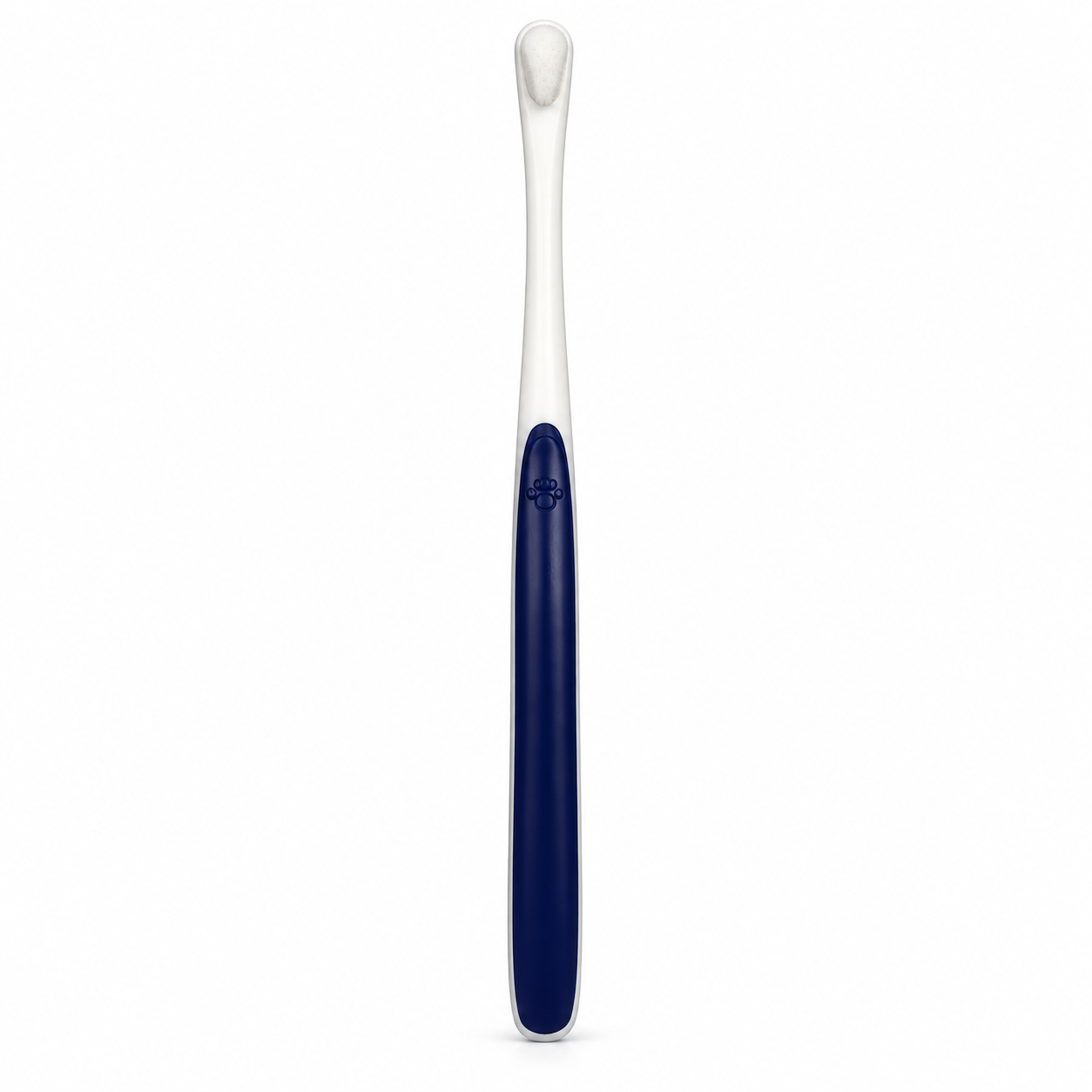
Gentle toothbrushes for cats
Small heads, soft materials, and precise control for feline mouths and slower introductions to brushing.
Choose by fit, control, and routine stage. A handled cat toothbrush may suit cats that accept a small brush head near the cheek, while a finger brush can help when close hand control feels calmer. Rinse after each use, replace worn bristles or silicone, and use brushing as routine support alongside veterinary care.
Compare the handled cat toothbrush, learn how to brush cat teeth, and review cat toothpaste safety.
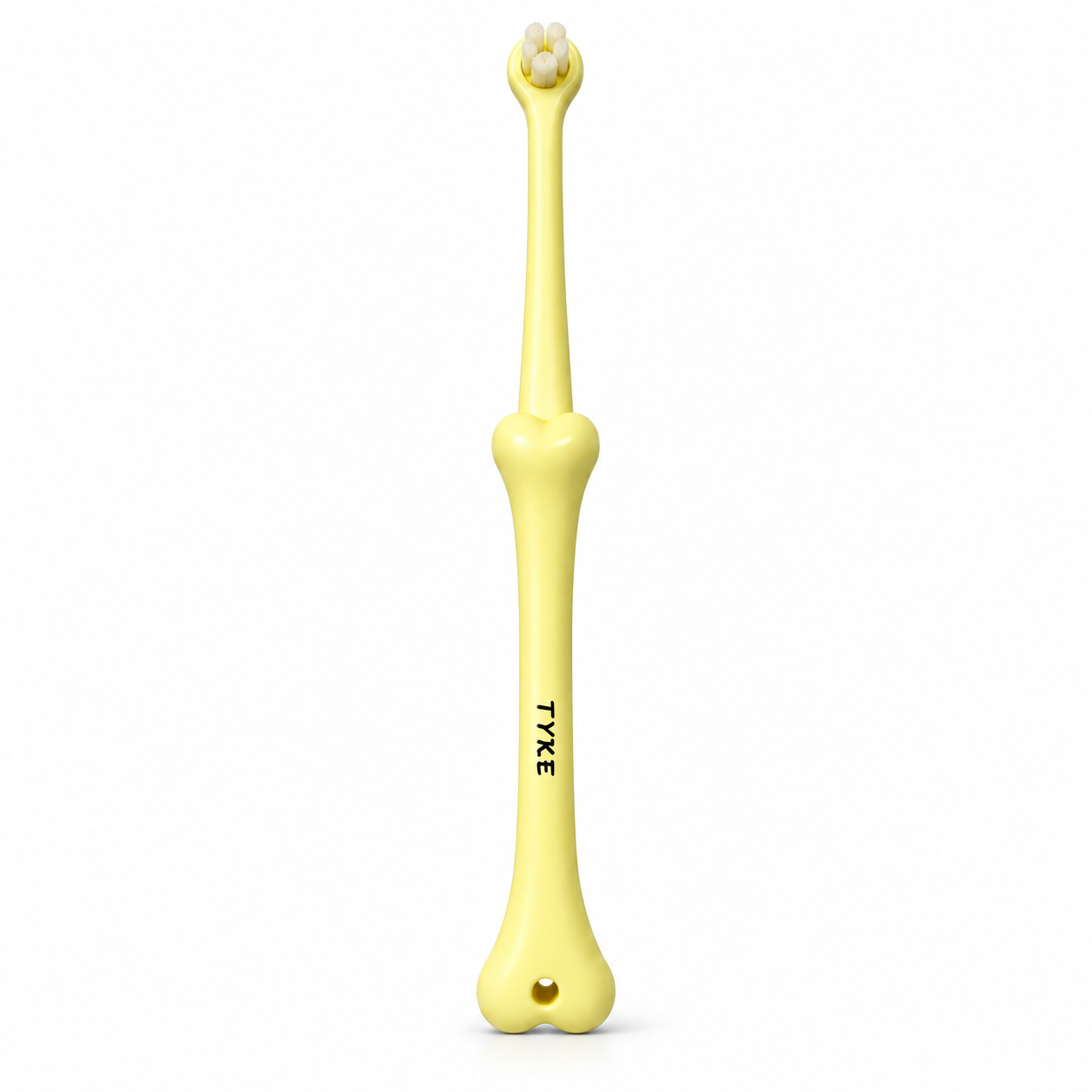
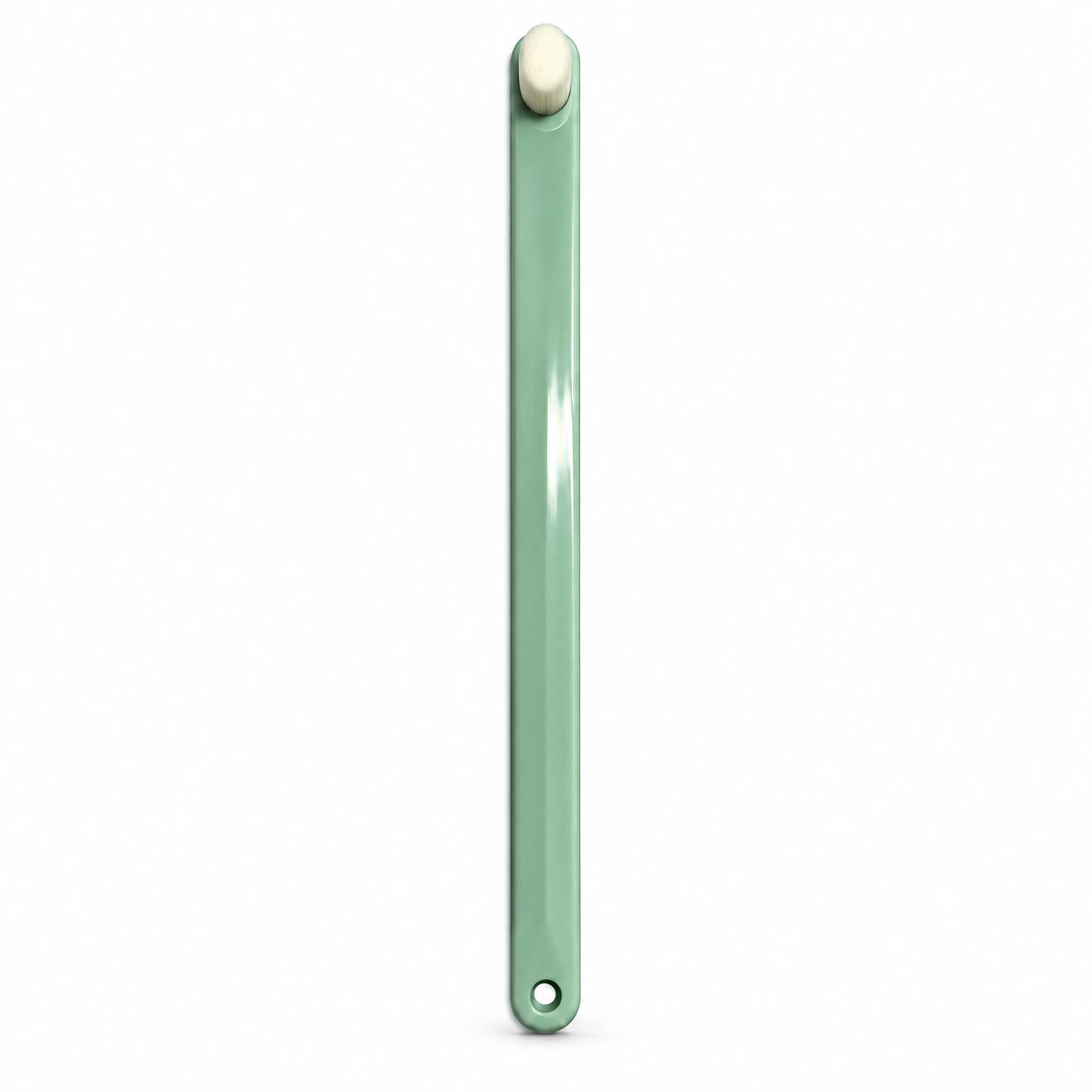
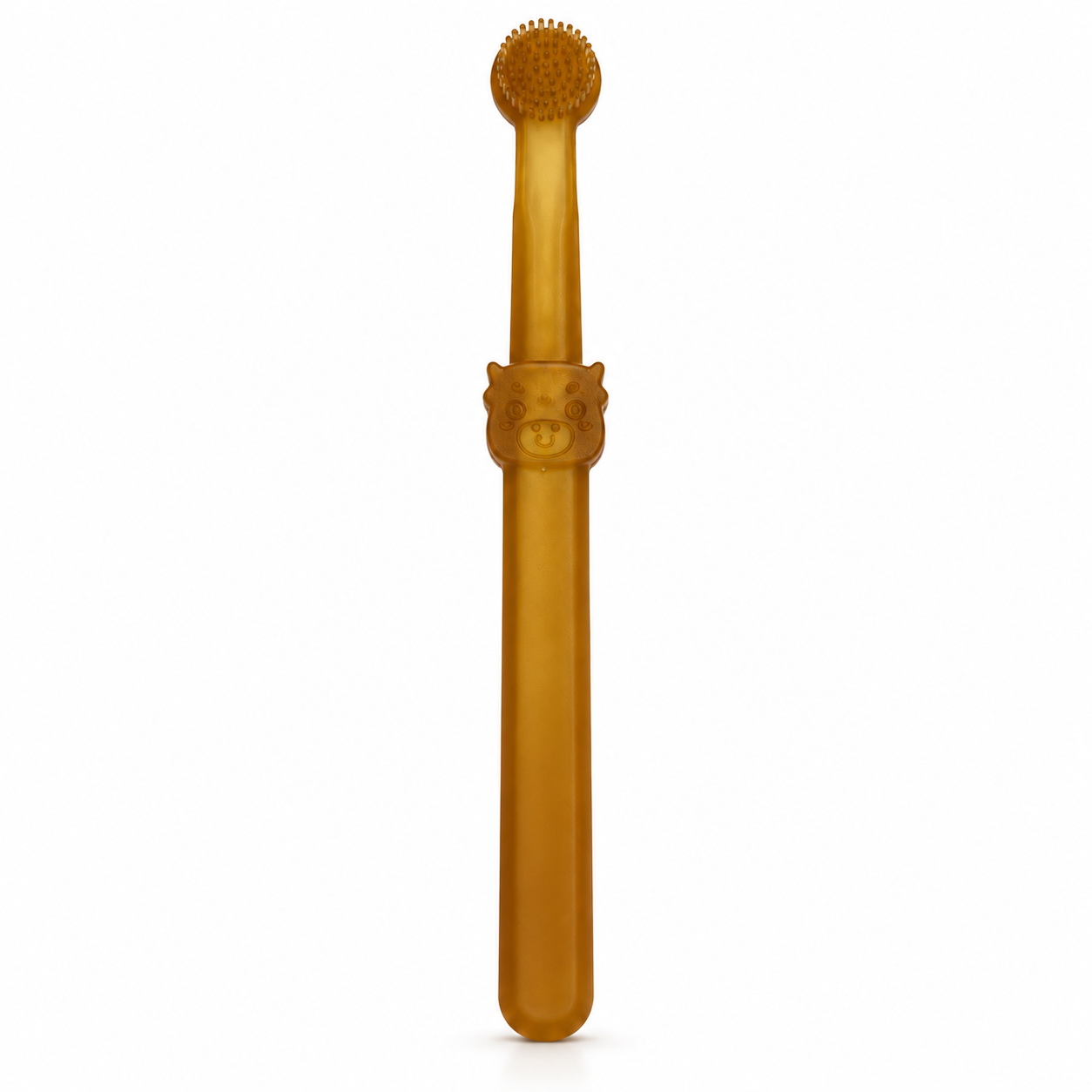
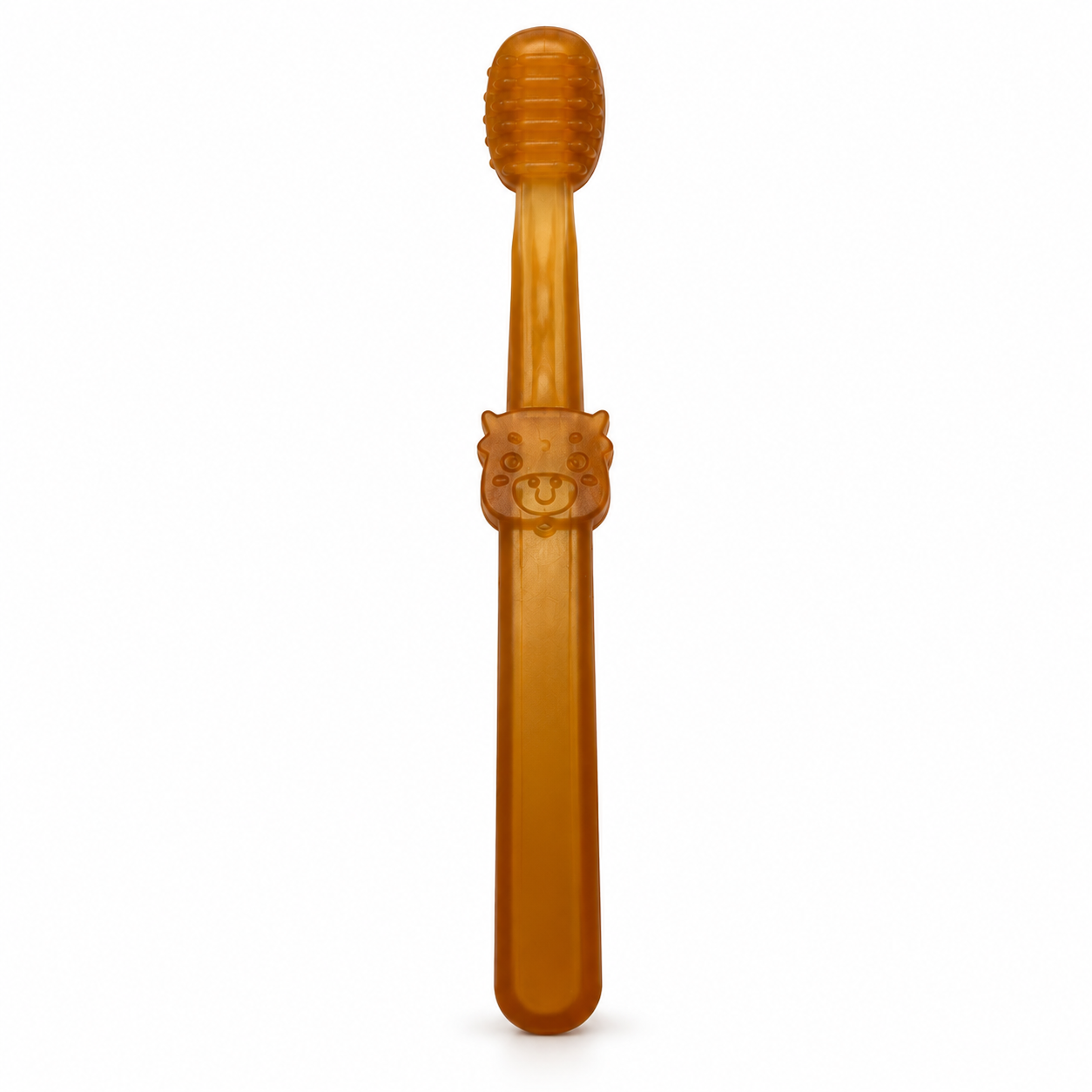
Soft Bristle Cat Toothbrush for Small Mouths
Mini angled brush head fits small cat mouths more comfortably
$16.904-brush pack
For your cat. For your everyday.
How to Choose a Cat Toothbrush
A cat toothbrush should match a small, sensitive mouth: a compact head, soft contact surfaces, and a grip you can keep steady during sessions that last seconds, not minutes. Compare handled, finger, slim double-head and silicone designs by how much control they give you and how your cat responds to hands near its face.
Start with the outer tooth surfaces you can reach while the mouth stays mostly closed. The head should sit beside the cheek without wedging the jaw open, and you should be able to withdraw the brush instantly when your cat turns away.
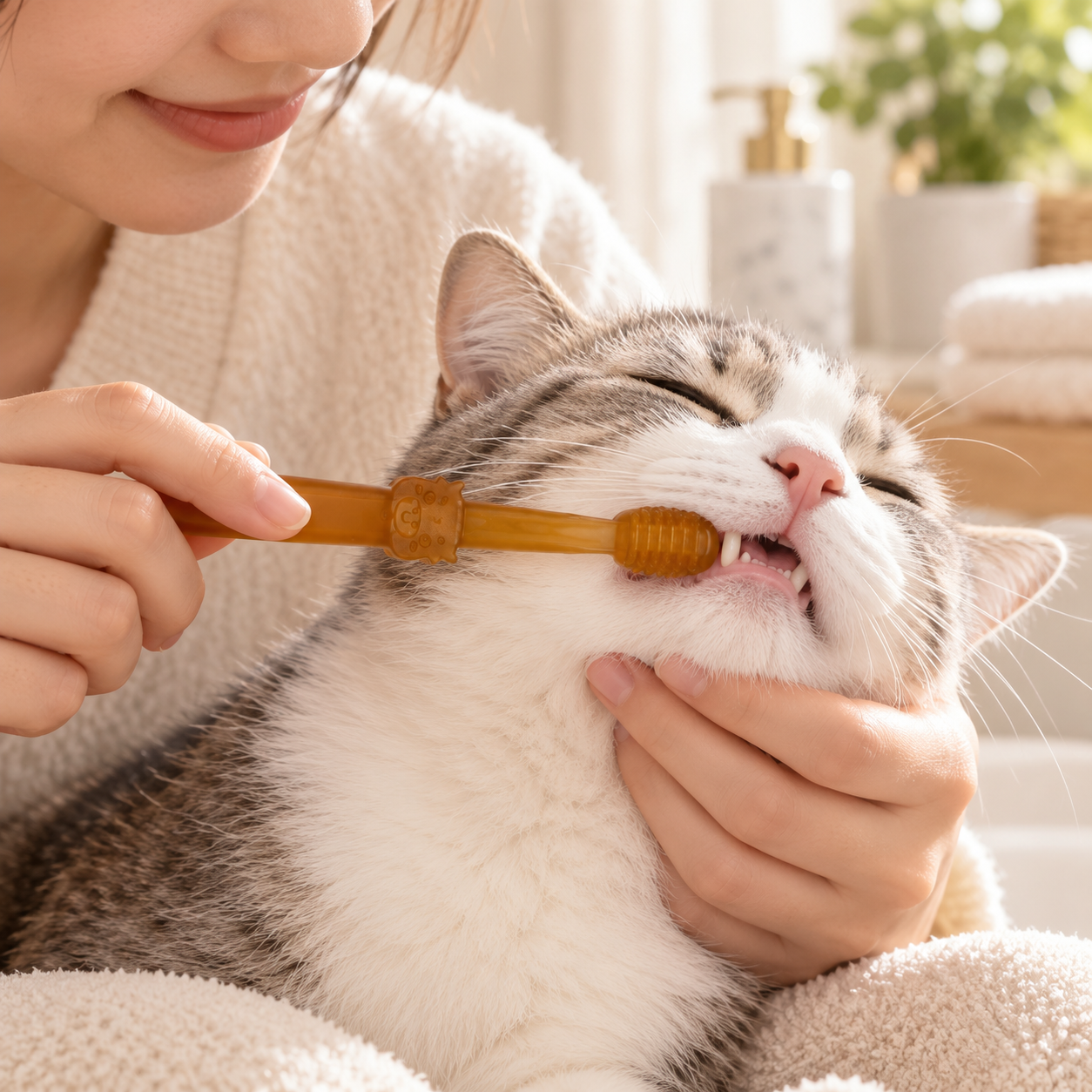
Find a comfortable fitDifferent shapes.
Different shapes.
The same gentle intention.
Compare cat toothbrush styles by reach, grip and the space you can comfortably access.
01
Soft-bristle handled brushes
A soft bristle cat toothbrush with a mini head suits cats that accept a slim tool near the cheek. Soft bristles clean along the gumline with light pressure; the soft-bristle selection guide explains what to check before buying.
02
Cat finger toothbrushes
A two-finger cat toothbrush keeps control close to your hand, and a paw-shaped silicone finger brush trades bristles for soft silicone nubs that many first-time cats accept more easily. Use finger styles only when your cat is calm with fingers near its mouth.
03
Slim and double-head designs
The slim double-head cat toothbrush offers two compact head sizes on one narrow neck, while the long-handle double-head brush adds distance for cats that prefer hands farther away.
04
Kitten brushes
Kittens need the smallest, softest option available and a slower introduction. The kitten toothbrush guide covers sizing and first steps, and the kitten brushing timeline explains when to begin.
Handled or Finger Toothbrush for Cats?
Handled brushes keep fingers out of nipping range and reach the back teeth more predictably; finger brushes give close tactile feedback during short introductions. Neither is universally better—the finger brush vs long-handle comparison walks through the decision by mouth size, temperament and training stage.
Head Size and Fit Come First
If the head cannot sit beside the cheek comfortably, it is too big—no matter how soft the bristles are. The cat toothbrush size guide shows how to judge fit at home before you buy.
Small steps.
A softer beginning.
Let your cat set the pace.
Introduce the Brush Without Stress
- Let your cat sniff and inspect the brush.
- Practice brief cheek touches and gentle lip lifts.
- Touch the brush to one reachable outer tooth surface for a second.
- Add one or two light strokes and stop while your cat is still calm.
- Grow the routine over days, not in one session.
Use only toothpaste labeled for cats—see what toothpaste is safe for cats—and follow the short-step cat brushing guide with the desensitization plan if your cat needs a slower start.
Keep the little things cared forReady for
Ready for
the next routine.
Cleaning, Storage and Replacement
Rinse after each session, air-dry completely, and keep one labeled brush per pet—sharing is not worth the risk. Replace the brush every two to three months, or sooner when bristles bend or silicone tears.
Before you chooseCat care,
Cat care,
a little clearer.
What size toothbrush does a cat need?
Smaller than a human brush: a mini head that reaches the outer surfaces beside the cheek without opening the jaw. Fit depends on the individual mouth, not age or breed alone.
Are silicone brushes better than bristles for cats?
Silicone nubs feel gentler during first introductions; soft bristles clean along the gumline more effectively once brushing is accepted. Many owners start with silicone and move to bristles.
How often should cats have their teeth brushed?
Work toward short daily sessions—see how often to brush a cat's teeth. A few calm seconds daily beats an occasional stressful scrub.
When should I stop and call a veterinarian?
Pause home brushing for bleeding, swelling, drooling, a broken tooth, strong mouth odor, or any change in eating, and have the mouth examined first.
01
Four of your chosen brush
Every pack contains four identical toothbrushes.
03
A little ongoing support
Choose an optional 12-month brushing plan at checkout, at no extra charge. Explore the plan.