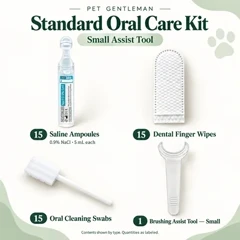
 Standard Oral Care Kit
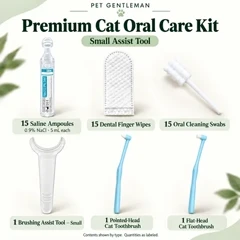 Premium Cat Oral Care Kit
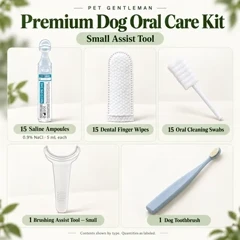 Premium Dog Oral Care Kit
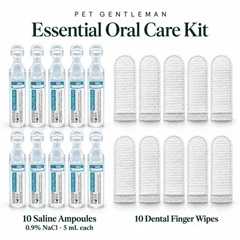 Essential Oral Care Kit
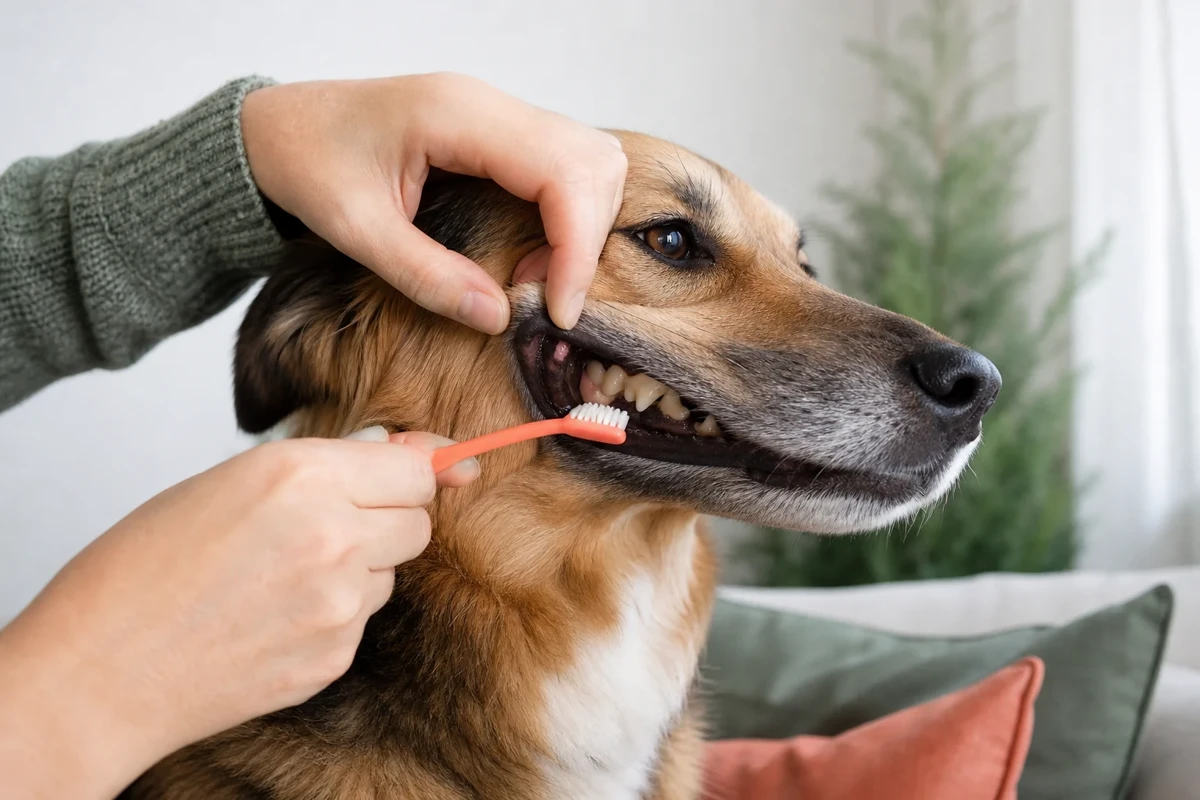
The best puppy toothbrush has a compact head, soft bristles, and a stable grip that lets you stop instantly if your puppy turns away. For most puppies that mouth hands, that means a small handled brush; a silicone finger brush only suits calm puppies that accept fingers near their teeth. This guide covers size selection, which tool fits each teething stage, a seven-day first routine, and when to call your veterinarian.
Quick Answer: What Makes the Best Puppy Toothbrush?
An effective puppy toothbrush satisfies three physical requirements:
- A miniature brush head: The head must slide between the cheek and outer teeth without stretching the lips or bumping tender gums.
- Soft bristles: Young gum tissue is tender, especially while teeth are changing. Soft bristles and light pressure are kinder to the gumline than a stiff brush.
- Dependable handling: You need a steady grip to guide the brush lightly and withdraw it the moment your puppy wiggles.
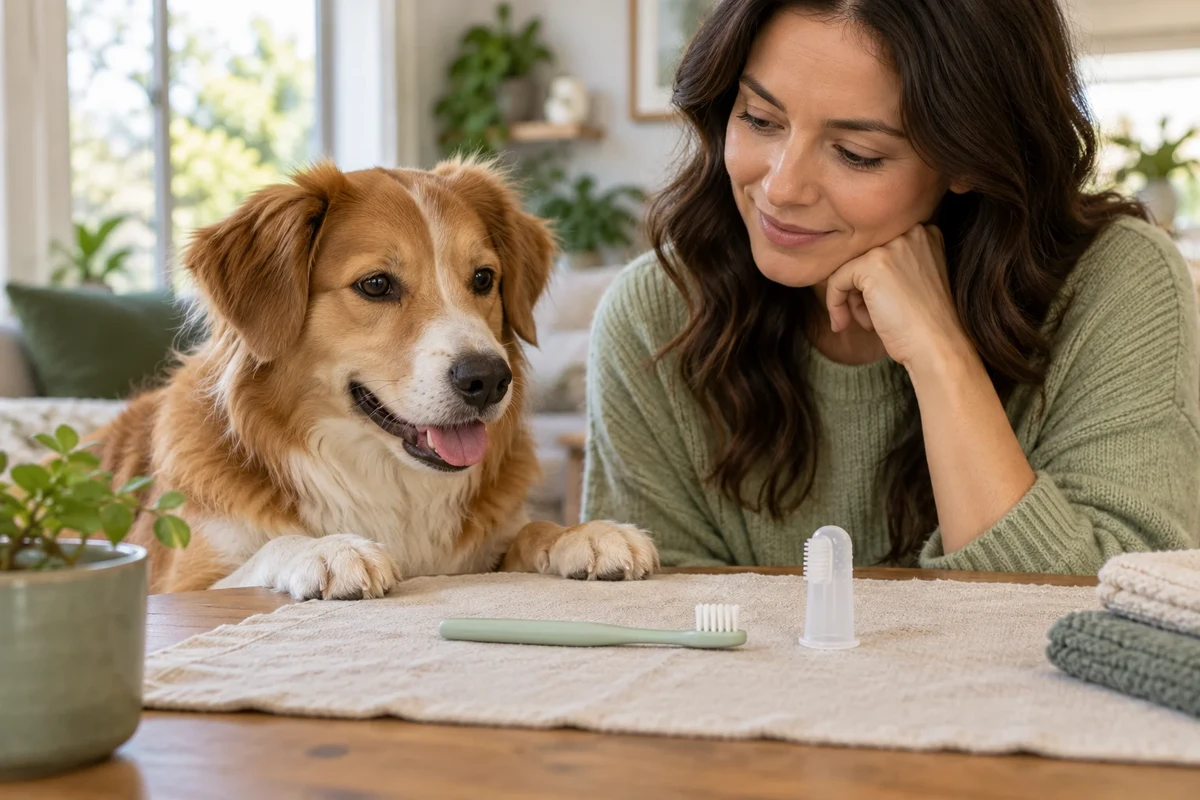
Match the design to your puppy’s temperament. For energetic puppies or puppies that mouth fingers, a compact handled design such as our toothbrush for small dogs and puppies, which has an angled single-tuft head, keeps your fingers farther from sharp teeth. A handle does not make bites impossible, so keep sessions short and stop when your puppy starts to chew. For calm puppies that accept facial handling, a finger brush for calm puppies offers direct tactile control during brief introductory sessions.
Understanding Puppy Teeth and the Teething Timeline
Knowing where your puppy is in teething helps you choose a brush and decide which areas to skip.
According to clinical guidance published by the Cornell University College of Veterinary Medicine, puppies are born toothless. They develop 28 sharp deciduous baby teeth between three and six weeks of age. These include incisors, canines, and premolars, but no molars.
Between twelve weeks and six to seven months of age, baby teeth loosen and fall out as 42 permanent adult teeth emerge. Teething often leaves gums sensitive, swollen, and prone to itching. Puppies chew persistently during this window to relieve tension along the jawline.
Key Teething Stages and Care Priorities
- Early Puppyhood (3 to 8 Weeks): 28 deciduous baby teeth erupt. Care focuses on gentle handling of the muzzle and lips so the puppy grows comfortable with human touch.
- Socialization Window (8 to 12 Weeks): All baby teeth are present, and chewing exploration peaks. Care focuses on object inspection and brief, rewarding toothbrush touches. Selecting a gentle toothbrush for a puppy at this stage builds positive habits early.
- Active Teething (12 to 24 Weeks): Deciduous teeth shed as permanent teeth emerge. Care focuses on light contact, pausing directly over sore or actively shedding gums.
- Permanent Dentition (6 to 8 Months): All 42 adult teeth become fully seated. Care transitions into a daily dog dental care routine.
Best Puppy Toothbrush Styles: Handled vs. Finger Brush
The right style depends on your puppy’s temperament, chewing intensity, and jaw shape.
Compact Handled Toothbrushes
A compact handled brush pairs a narrow stem with a small bristle cluster or single-tuft head. It is the more practical choice for most teething puppies because your hand stays outside the mouth.
- Reach and Safety: The neck keeps fingers outside the puppy’s mouth and farther from sharp baby teeth. A small head can reach the back premolars without straining the cheek pocket.
- Best Suited For: Active puppies, small breeds with narrow muzzles, and dogs that chew on fingers.
- Handling Technique: Hold the handle like a pen. A light fingertip grip prevents accidental pressure against delicate gum margins.
Silicone Finger Brushes
A silicone puppy finger toothbrush slides over your index finger, positioning a textured silicone pad directly against the teeth.
- Tactile Sensitivity: You feel tooth contours directly, making it easy to gauge pressure and position.
- Safety Precaution: Finger toothbrushes require caution because teething puppies with sharp deciduous teeth can bite down and cause finger injuries. If your puppy bites or mouths your hands, switch to a handled brush immediately.
- Best Suited For: Calm puppies comfortable with direct muzzle touch that do not mouth hands.
For a detailed breakdown of brush styles, see our comparison of a dog toothbrush vs finger brush.
Which Tool for Which Stage
| Stage | What to use | Pet Gentleman option |
|---|---|---|
| Early handling | Your hand only: cheek touches and brief lip lifts | None needed yet |
| First brush contact, calm puppy | A finger brush, if your puppy never mouths hands | 360° Silicone Finger Toothbrush for Dogs and Puppies |
| First brush contact, mouthy puppy | A small handled head | Angled Single-Tuft Toothbrush for Small Dogs and Puppies |
| Adult teeth in, small breed | Recheck fit; keep the single-tuft or compare a small soft-bristle head | Soft-Bristle Pet Toothbrush with Flat Handle (listed for small dogs) |
| Adult teeth in, medium or large breed | A longer head and handle sized for the adult mouth | Slim Soft-Bristle Toothbrush for Medium and Large Dogs |
Hold any new brush beside your puppy’s cheek before the first session. If you are still unsure about size, our guides to the best toothbrush for small dogs and what size toothbrush your dog needs go into more detail.
What to Look For in the Best Puppy Toothbrush
1. Bristle Softness and Flex
Test bristles against the back of your hand. Stiff bristles can be uncomfortable on tender puppy gums, and discomfort quickly turns into avoidance. Choose soft, flexible bristles and keep the pressure light, especially while teething.
2. Miniature Head Dimensions
Choose a small head profile. An adult-sized brush can crowd a small mouth and trigger gagging and resistance. A head that covers one or two puppy teeth at a time is easier to place.
3. Secure Handle Grip
Puppies move without warning. Look for a handle with a textured or non-slip grip so it stays steady when wet with saliva or paste.
4. Safe, Durable Materials
Puppies chew unexpectedly. Inspect the brush before every session and replace it if the bristles loosen, the head cracks or the silicone tears. Never leave a toothbrush with a puppy as a chew toy.
First-Week Puppy Toothbrush Routine: 7-Day Plan
Do not try a full cleaning on the first attempt. Build acceptance through calm, predictable steps.
Day 1: Object Inspection
Place the brush on the floor near a few treats. Let your puppy investigate and sniff at their own pace. Reward calm curiosity with praise and a treat. Put the brush away after two minutes. Do not place the brush in the mouth today.
Day 2: Muzzle and Lip Handling
Sit in a quiet space. Stroke your puppy’s cheek and muzzle for three seconds. Lift the upper lip to reveal a canine tooth for two seconds, then release and reward. Repeat three times and conclude the session.
Day 3: Taste Association
Place a small dot of toothpaste labeled for dogs on your fingertip. Let your puppy lick it off. While they lick, slide your finger along the outer gumline for three seconds. Illinois veterinary guidance suggests this order for puppies: first a taste from your finger, then a finger brush, then a small brush. To plan your long-term brushing frequency, explore our guide on how often should you brush your dog’s teeth.
Day 4: Stationary Brush Contact
Dab pet toothpaste onto the brush head. Allow your puppy to lick the paste. While they focus on the taste, hold the bristles steady against one upper canine for two seconds without scrubbing. Praise and release.
Day 5: First Gentle Strokes
Lift the lip and place bristles at a 45-degree angle along the gumline of the canines and premolars. Make two light circular strokes on outer tooth surfaces. Stop before the puppy pulls away, and reward promptly.
Day 6: Brushing Both Sides
Repeat light strokes on one side for five seconds, then switch to the other side. Focus only on outer surfaces. The dog’s tongue naturally wipes inner surfaces, and forcing the jaw open causes anxiety.
Day 7: Establishing the Routine
Combine these steps into a continuous 30-second session covering upper outer teeth on both sides. Conclude with calm praise and a reward. These days are a guide, not a deadline: repeat any day your puppy is not yet comfortable with. For advanced technique, explore how to brush dog teeth.
How to Handle Chewing and Teething Soreness
Managing Chewing on the Brush Head
If your puppy bites the bristles, keep your hand still. Pulling backward turns the brush into a tug toy. Wait for the puppy to release their grip, withdraw the brush, and offer a firm rubber chew toy. Resume brushing only once the puppy settles.
Navigating Sore Gums
While baby teeth are shedding, some areas of the gums can be sore. Look at the mouth before brushing. If you notice bright red gums or a loose tooth, skip that area while continuing gentle lip touches elsewhere, and ask your veterinarian if it does not settle. Soft bristles and light pressure help you avoid pressing on tender spots.
Toothpaste Safety for Young Puppies
Puppies ingest whatever paste enters their mouth, making ingredient safety essential.
- Avoid Human Toothpaste: Human toothpaste is not made to be swallowed. VCA Animal Hospitals notes that some contain xylitol, which is toxic for dogs, and Cornell advises against human paste because it contains detergents and fluoride. If your puppy swallows human toothpaste, call your veterinarian or an animal poison-control service.
- Choose a Paste Labeled for Dogs: Use a toothpaste whose label allows your puppy’s species and age, and follow the amount on the label. Flavors such as poultry or beef can encourage cooperation. If a product makes a specific plaque or tartar claim, judge it by that exact product’s evidence rather than the word “enzymatic.”
- Starting with Plain Water: If your puppy dislikes flavored paste, wet the brush with water. The brushing itself is what removes soft plaque; as the AKC puts it, nothing replaces mechanical removal with a toothbrush. Our guide to brushing without toothpaste explains how.
Cleaning and Replacing a Puppy Toothbrush
- Rinse After Every Session: Wash the brush head under warm tap water to remove saliva and trapped debris.
- Air-Dry Upright: Store the brush upright in an open holder away from pet reach. Avoid sealed cases, which trap moisture and promote bacterial growth.
- Use Dedicated Brushes: Assign separate brushes to each pet to avoid transferring oral bacteria.
- Replace Regularly: VCA suggests replacing a dog’s toothbrush every three months. Replace it sooner if bristles fray or bend, the head cracks or your puppy chews it.
When to Consult Your Veterinarian
Routine brushing maintains hygiene, but it cannot treat dental abnormalities. The AAHA dental care guidelines note that even daily brushing does not replace veterinary examinations and treatment when they are needed. Contact your veterinarian if you observe:
- Retained Deciduous Teeth: When an adult tooth emerges beside an unfallen baby tooth, veterinary extraction may be needed to prevent crowding and food trapping.
- Malocclusions: Base-narrow canines that press into the upper palate require prompt assessment to avoid tissue puncture.
- Broken Baby Teeth: Fractured teeth can expose root pulp, risking infections that affect developing adult teeth.
- Bleeding or Oral Swelling: Do not assume bleeding during teething is harmless. Stop brushing that area, and call your veterinarian if bleeding repeats, is more than a trace, or comes with swelling, a foul odor, or refusal to eat.
Frequently Asked Questions
At what age can I start brushing my puppy’s teeth?
Gentle handling of the lips and muzzle can start as soon as your puppy is settled at home, once your veterinarian has checked the mouth. Short, calm practice helps puppies accept brushing before the adult teeth come in.
How often should I brush my puppy’s teeth?
Daily brushing is ideal. Cornell notes that minerals in saliva can begin to harden plaque into tartar within as little as 24 hours, which is why short daily sessions work better than occasional long ones.
What should I do if my puppy bites my fingers?
Stop using a finger brush and switch to a compact handled brush such as the angled single-tuft brush in the table above. A handle keeps your fingers farther from the teeth while you work on mouthing with chew toys and shorter sessions.
Is minor bleeding normal during brushing?
Do not treat it as normal. Stop brushing that area, avoid loose teeth and ease your pressure. If you see bleeding again, or it comes with swelling, odor or eating changes, ask your veterinarian to check the mouth before you continue.
Can dental chews replace the best puppy toothbrush?
Chews can help, but they miss tight spots along the gumline. Brushing remains the most effective home method for removing plaque, so use chews alongside it rather than instead of it.