
Quick answer: Yes, a soft baby toothbrush can work for a small dog. The head should fit comfortably, and you should be able to guide it without bumping the gums. VCA Animal Hospitals lists soft human baby toothbrushes as an option for some dogs. Your dog’s size and your control of the brush help determine the right choice.
You don’t need to replace a baby brush that already fits and works well for your dog. If it feels bulky beside the cheek or awkward to angle toward a back tooth, a compact pet toothbrush is worth comparing. Compare the shape and size of each brush before buying.
Key Takeaways
- Choose soft bristles and a head that fits without stretching the cheek.
- Compare baby and dog toothbrushes by head size, shape, and grip.
- Use toothpaste labeled for dogs, even when you use a baby brush.
- Stop for pain or bleeding and contact your veterinarian.
What to Check Before Buying a Baby Toothbrush
Look for a manual toothbrush with soft bristles and a head you can clearly see in the product photos. A teething toy or chewable training aid isn’t the same tool as the bristled toothbrush discussed here.
An infant age range describes the intended human user. Dogs’ mouths vary, even within the same breed. Compare the head’s width and thickness, including the plastic behind the bristles. A small patch of bristles can still sit on a bulky head.
If the listing gives brush-head dimensions, use those when comparing options. Total handle length won’t answer a head-size question. If measurements are missing, ask the seller; a close-up without a scale can’t establish the size.
Choose a handle you can hold steadily near the side of your dog’s face. A large grip may be comfortable in your hand yet awkward to position. Set aside a new brush for your dog rather than sharing one with a child or another pet.
Baby Toothbrush or Small Dog Toothbrush?
When comparing a baby toothbrush for small dogs with a pet brush, check the head and handle. These are fit differences, not proof that one design cleans better.
| Option | When to consider it | What could make it unsuitable |
|---|---|---|
| Soft baby toothbrush | Its head fits, and the handle is easy for you to guide | A thick head or grip gets in the way |
| Compact pet toothbrush | You want to compare a different head shape or handle angle | A “small dog” label doesn’t guarantee a fit |
| Single-tuft pet toothbrush | Contact with one small, reachable area | You must move the brush to cover each area |
Before brushing, gently lift your relaxed dog’s lip and check whether the head can rest against an outer tooth without stretching the cheek. Don’t push it into a tight space to see whether it will fit. If your dog accepts a lip lift but pulls away from the brush, allow more time to learn the routine. A smaller brush may not solve the problem.
For a broader comparison of pet brush styles, see our small dog toothbrush guide.
When to Compare an Angled Pet Brush
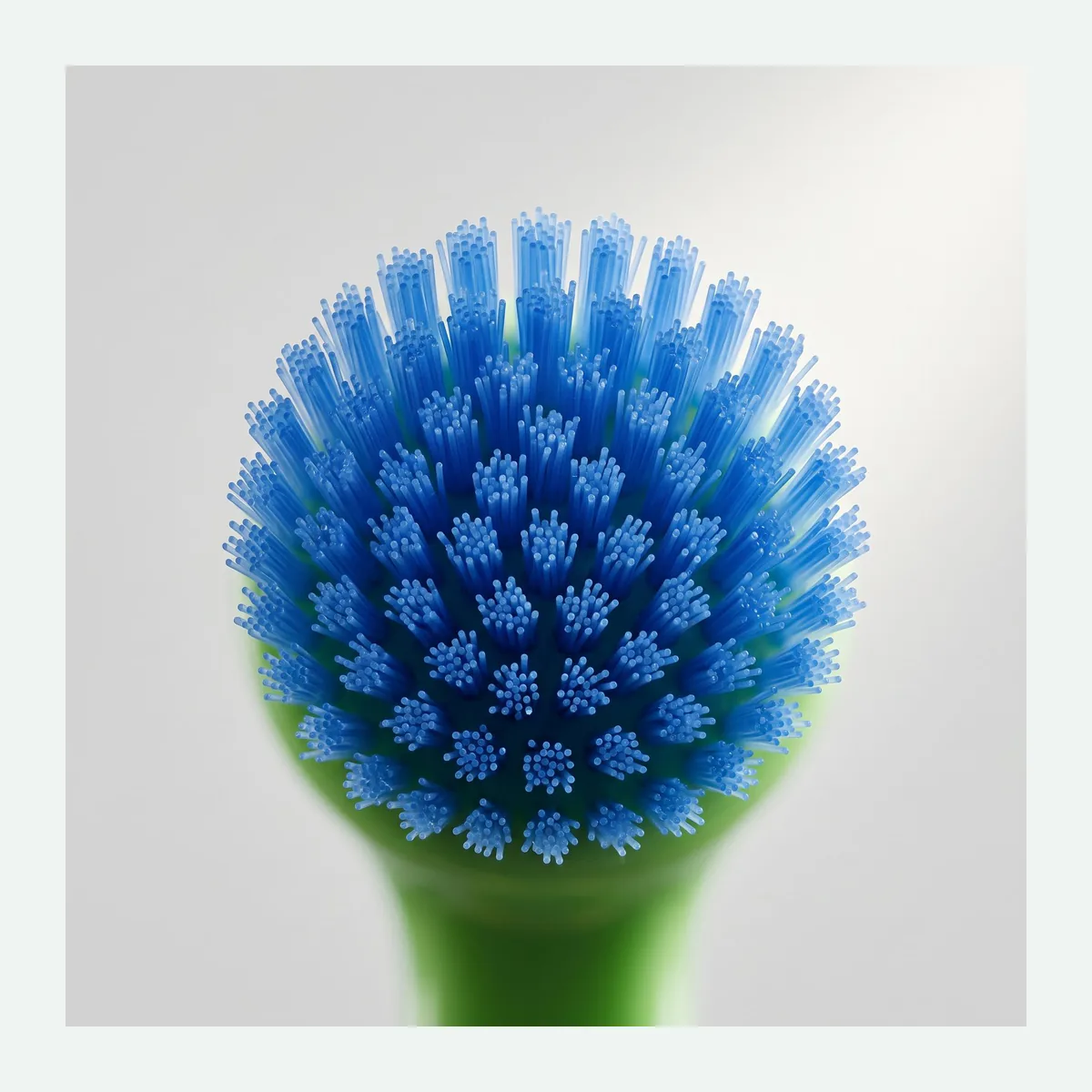
If a baby brush feels bulky, compare Pet Gentleman’s Angled Single-Tuft Toothbrush for Small Dogs and Puppies. It has soft bristles, a compact tuft, an angled handle, and a textured grip.
The small tuft lets you position the bristles on one reachable area at a time. Move it to each area in turn, and stop when your dog needs a break.
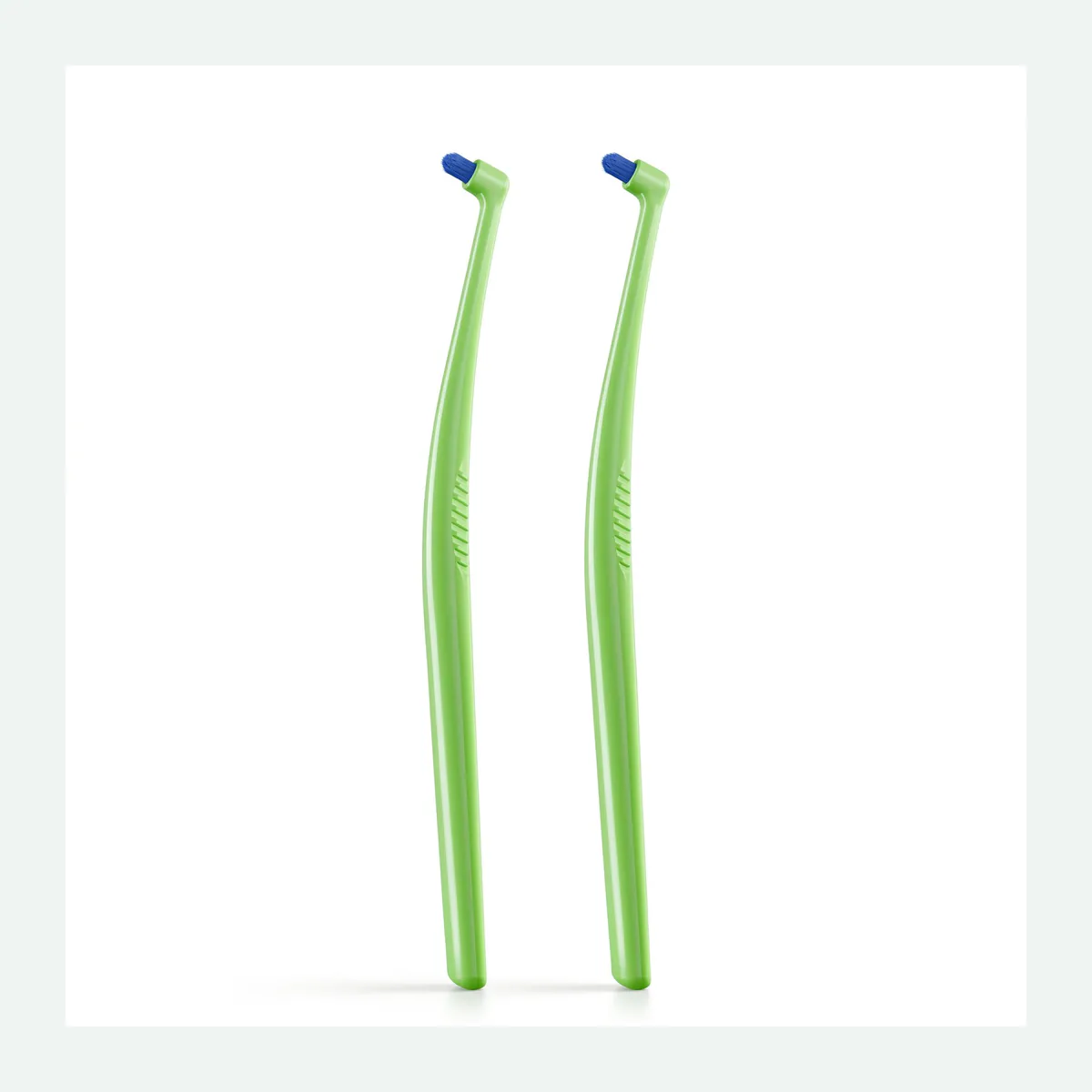
Check the product details before ordering. Ask about head measurements or pack contents if needed. This design won’t fit every toy breed, and a baby toothbrush that fits well may already meet your needs.
Introduce Either Brush Slowly
Let your dog investigate the brush, and practice a brief, gentle lip lift before trying to brush. Offer dog toothpaste separately before combining the new flavor and tool. The University of Illinois describes a gradual approach to getting pets used to toothbrushing. Illinois veterinary guidance.
Once your dog accepts the tool, begin with light contact on an accessible outer tooth. Keep the first attempts brief and reward cooperation. Stop if your dog becomes tense or tries to chew the brush. Our dog toothbrushing instructions cover the routine in more detail.
For a comfortable mouth, work toward daily brushing. AAHA recommends daily home brushing and warns that brushing inflamed gums can cause pain. Stop if brushing hurts, even with a soft new brush. AAHA home dental-care guidance.
When to Stop and Call Your Veterinarian
Check the teeth and gums before brushing. Contact your veterinarian for bleeding, swelling, a loose or broken tooth, mouth pain, or a change in eating. Don’t assume resistance means the brush is the wrong size. Dental problems can also change a dog’s behavior. AVMA pet dental-care guidance.
Neither a baby toothbrush nor a pet toothbrush removes hardened tartar. That requires professional dental care; trying to scrub it away at home won’t solve the problem. Merck Veterinary Manual.
Frequently Asked Questions
Can I use baby toothpaste too?
No. Choose toothpaste labeled for dogs and follow its directions. A human baby toothbrush being suitable for some dogs does not make human toothpaste suitable. VCA advises against human toothpaste because it contains ingredients dogs should not swallow. VCA’s toothpaste guidance.
Is a finger brush the same as a baby toothbrush?
No. A finger brush fits over your finger; a handled baby toothbrush keeps your fingers farther from the brushing surface. Some finger brushes are bulkier than a compact handled brush head. If you’re considering that style, read our dog toothbrush versus finger brush comparison.
What if neither brush seems to fit?
Stop trying to squeeze a brush into place. Bring the tools to your next veterinary visit and ask for help choosing a suitable head and demonstrating the approach. If your dog seems sore or has trouble eating, contact the clinic sooner.
This article provides general information. A veterinarian has not reviewed it. Home brushing does not replace a veterinary examination or treatment.