
Can you scrape plaque off your dog’s teeth at home? Veterinary dental specialists give an emphatic no. Many online shops sell metal dental scalers and DIY scraper kits. However, using sharp tools on your dog carries severe risks. Metal blades can scratch tooth enamel, cut sensitive gums, and cause mouth trauma. Crucially, scraping cannot reach bacteria hiding under the gumline.
Safe at-home dental care focuses on gentle prevention. Brushing daily stops soft plaque before it hardens into calculus. This guide explains how plaque and tartar develop, why scraping is dangerous, and how to protect your pet safely.
Plaque vs. Tartar: What Is the Difference?
Before choosing any cleaning tool, understand how soft plaque differs from hardened dog tartar:
- Dental Plaque: Plaque is a soft, sticky film of saliva, food bits, and bacteria in the mouth. It forms on tooth surfaces every day. Because plaque is soft, daily brushing can easily remove plaque with a soft pet brush.
- Dental Tartar (Calculus): Undisturbed plaque absorbs calcium and minerals from saliva. According to the Cornell Riney Canine Health Center, plaque hardens into calculus within 24 to 48 hours. Once this occurs, stubborn tartar buildup locks onto the enamel. You cannot brush it away, and attempting to chip it off causes injury.
Data from the American Veterinary Medical Association shows periodontal disease affects most dogs by age three. Understanding this timeline proves why reducing plaque daily matters far more than risky scraping attempts.
The Serious Risks of Scraping Dog Teeth at Home
Using metal scalers or scrapers on an awake dog creates serious hazards:
1. Enamel Scratches and Accelerated Decay
Human dental hygienists complete years of clinical training. Untrained owners scraping metal blades against teeth create tiny enamel gouges. These micro-scratches ruin the smooth tooth surface. New bacteria and yellow dog tartar stick to rough grooves twice as fast.
2. Painful Soft-Tissue Cuts
Even calm dogs flinch, sneeze, or turn their heads without warning. A sudden jerk with a sharp blade can slice the tongue, lips, or gums. These cuts hurt, cause bleeding, and introduce oral bacteria into the bloodstream. Painful injuries also make your dog fear future handling.
3. Hidden Bacteria Below the Gumline
Visible tartar above the gumline looks unsightly, but the real threat hides underneath. Destructive bacteria thrive in the subgingival pocket below the gum margin. Scraping surface tartar creates a false sense of cleanliness while bone infection spreads unseen. Left untreated, deep periodontal disease leads to painful tooth loss.
4. Risk of Inhaling Debris
Veterinarians use an intubated breathing tube during dental procedures. This tube shields your dog’s airway from flying debris. When you chip brittle tartar at home, your dog can choke, swallow, or inhale sharp bacterial flakes.
Home Care vs. Professional Veterinary Dental Cleaning
Compare home maintenance against clinical treatment:
- Daily Soft Brushing: Safely removes soft plaque biofilm every day. It provides a very high safety level and sweeps reachable outer surfaces. Polishing is not needed for soft plaque.
- At-Home Metal Scraping: Attempts cosmetic calculus chipping. It is dangerous and carries a high risk of injury. It leaves destructive bacteria under the gumline and scratches tooth enamel.
- Professional Dental Cleaning: Complete medical treatment performed by your veterinarian. It is monitored and safe under anesthesia. It provides full subgingival scaling below the gumline and polishes all enamel smooth.
What Happens During Professional Veterinary Dental Prophylaxis?
Teeth with heavy calculus must be professionally cleaned by your veterinarian. A complete veterinary oral health treatment involves critical medical steps:
- Pre-Anesthetic Blood Work: Verifies your dog’s liver and kidneys can process anesthesia safely.
- General Anesthesia and Airway Protection: According to the AAHA Dental Care Guidelines, safe subgingival cleaning requires general anesthesia with an inflated endotracheal tube.
- Dental Digital X-rays: Evaluates hidden roots and jawbone density to prevent unexpected tooth loss.
- Ultrasonic Scaling: Safely lifts tartar buildup above and below the gumline using water cooling.
- Therapeutic Polishing: Buffs microscopic grooves smooth so new bacteria cannot easily cling.
For details on how medical cleanings complement your home routine, read our guide on brushing vs professional cleaning.
Safe At-Home Plaque Prevention: Gentle Daily Steps
You cannot safely remove tartar at home, but you can stop tartar build before it begins. Consistent home dental care protects your dog through simple daily habits:
1. Pick an Ultra-Soft Dog Toothbrush
Avoid stiff human bristles that irritate gums. A dedicated small dog toothbrush with soft micro-bristles cleans tight spaces without hurting delicate mouth tissues.
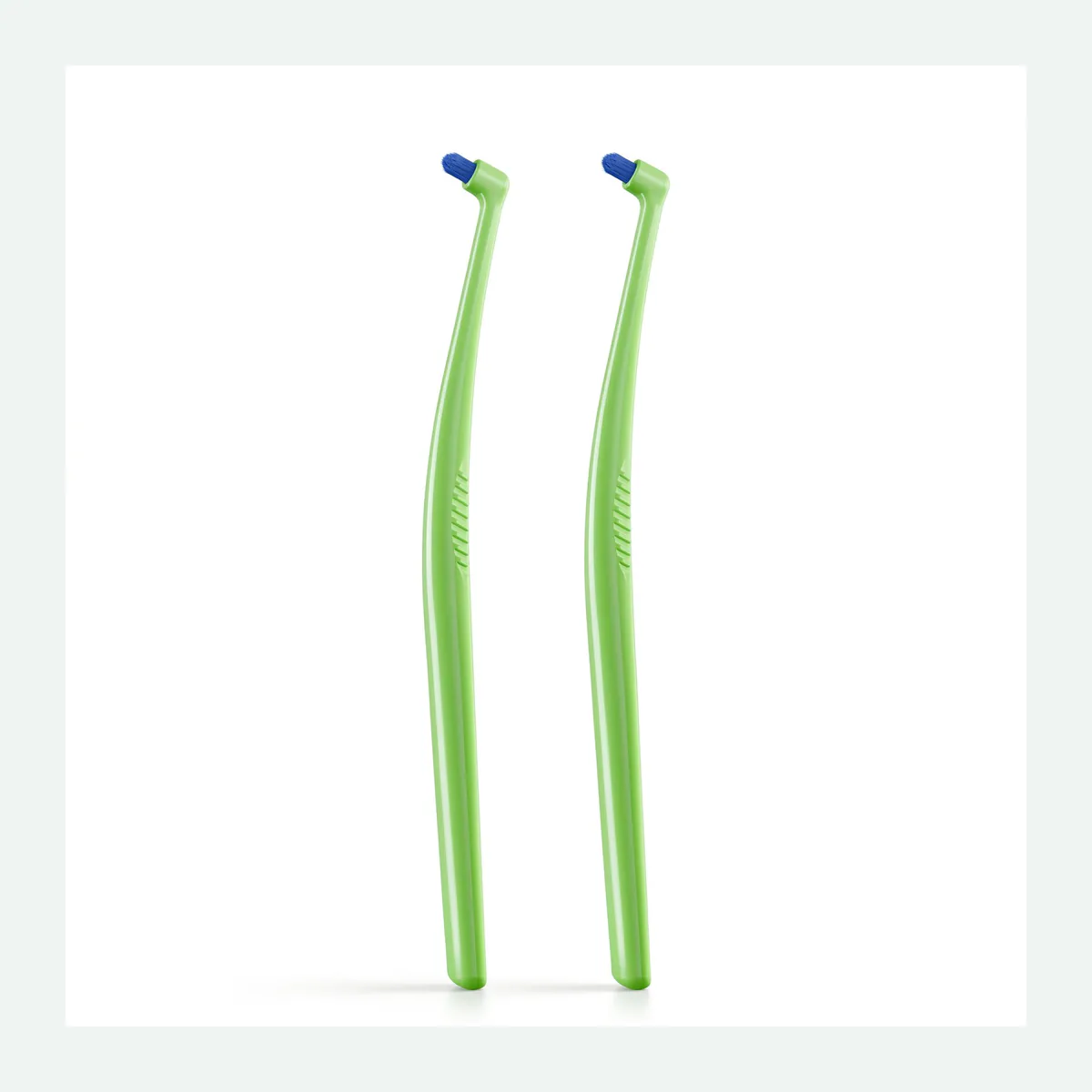
For smaller mouths or puppies, head size matters; see our guide on what size toothbrush does my dog need.
2. Focus on the Outside of the Teeth
You do not need to force your dog’s jaws open. VCA Animal Hospitals guidance notes that a dog’s rough tongue naturally sweeps inside surfaces, so home brushing should focus on reachable outer tooth surfaces. Lift the upper lip and brush with gentle circles at a 45-degree angle.
3. Use Pet-Safe Enzymatic Toothpaste
Never use human toothpaste. Human formulas contain foaming detergents and xylitol, which is toxic to dogs. Pet toothpastes feature poultry or peanut butter flavors that turn cleaning teeth into a fun reward.
4. Keep Sessions Short and Positive
Spend 30 to 60 seconds brushing each day. Reward your dog immediately with praise, a favorite game, or a healthy dental chew. For anxious pets, explore our tutorials on how to brush dog teeth and how to avoid common dog teeth brushing mistakes.
Helpful Tools to Complement Daily Brushing
Brushing remains the gold standard, but helpful supplements can boost oral hygiene:
- VOHC-Accepted Dental Chews: Look for products bearing the seal of the Veterinary Oral Health Council (VOHC). An approved dental chew helps scrape away soft biofilm during chewing.
- Textured Dental Wipes: Soft dental wipes allow you to wipe away bacteria in the mouth if your dog is getting used to a brush.
- Veterinary Water Additive: Adding a quality water additive to your dog’s drinking bowl slows down bacterial growth.
- Safe Chew Toys: Durable rubber chew toys stimulate saliva and help massage gum margins.
When Should You Call Your Veterinarian?
Inspect your dog’s mouth every week during grooming. Schedule a veterinary visit if you spot any of these warning signs:
- Thick yellow or brown crust along the gumline that brushing cannot lift.
- Red, swollen, or bleeding gums indicating gingivitis.
- Foul bad breath that lingers after brushing.
- Dropping food, chewing awkwardly, or pawing at the muzzle.
- Loose, cracked, discolored, or missing teeth.
Summary Checklist: Safe Plaque Care for Dogs
- Never scrape dog teeth with metal tools: Scraping scratches enamel, cuts gums, and misses deep bacteria.
- Have calculus professionally cleaned: Only veterinarians can clean beneath the gums and polish enamel safely.
- Brush outer teeth daily: Daily brushing disrupts soft plaque within 24 to 48 hours.
- Use pet-friendly products: Choose a soft brush, pet toothpaste, and VOHC-accepted chews.
Medical & Veterinary Disclaimer
This educational guide supports daily home pet care and does not replace veterinary diagnosis or treatment. If your dog has severe mouth pain, loose teeth, or bleeding gums, contact a licensed veterinarian immediately. See our full Veterinary Disclaimer.