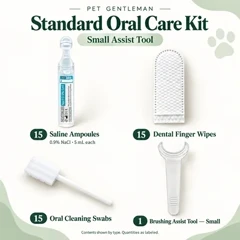
 Standard Oral Care Kit
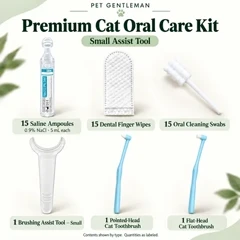 Premium Cat Oral Care Kit
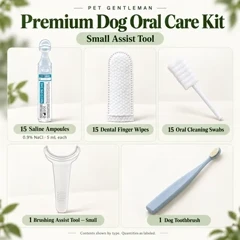 Premium Dog Oral Care Kit
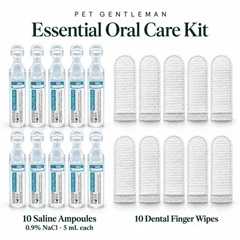 Essential Oral Care Kit

Dog bad breath is usually a sign of dental disease. Plaque, tartar and infected gums feed the bacteria that cause the smell. Less often, the odor comes from something stuck in the mouth, a sore or growth, or health issues elsewhere in the body, such as kidney disease or diabetes. Breath that stays bad for days needs a vet check.
- A strong smell right after a meal or treat usually fades on its own.
- Bad breath that lingers for days is a reason to book a dental exam.
- Bad breath with drooling, bleeding, facial swelling, vomiting, extra thirst or a poor appetite needs a prompt call to your vet.
Is dog breath supposed to smell?
A dog’s mouth will never smell minty, but it shouldn’t make you turn away. Veterinarians call an offensive mouth odor halitosis, and it usually points to a problem rather than plain “dog breath.”
That problem is often hidden. VCA Animal Hospitals reports that over 80% of dogs older than three have active dental disease, yet few show obvious signs. Persistent bad breath is often the first clue an owner notices.
What causes bad breath in dogs?
Most bad dog breath starts in the mouth. A smaller share comes from what a dog eats or from illness elsewhere.
Plaque, tartar and gum disease
Periodontal disease is the most common cause of halitosis in dogs, according to a VCA article co-written by a veterinary dentist. Plaque buildup starts with a sticky film of bacteria that coats the teeth every day. Cornell’s Riney Canine Health Center says minerals in saliva can start hardening it into tartar within 24 hours.
As gum disease sets in, bacteria release foul-smelling sulfur compounds, so the odor lasts between meals. The Merck Veterinary Manual notes that early gum inflammation (gingivitis) can be reversed with proper cleaning. Advanced disease (periodontitis) causes permanent loss of tooth support. Merck adds that small breeds have more trouble than large breeds.
Food or objects stuck in the mouth
Food trapped in deep gum pockets decomposes and smells, VCA notes. Sticks, toy pieces and sharp plant material such as grass awns can also lodge in the mouth and inflame it, according to Merck. If bad breath appears suddenly, a stuck object is worth ruling out.
Mouth sores, infections and growths
Merck’s guide to mouth disorders lists bad breath and drooling as common signs of mouth inflammation, including infected lip folds and painful stomatitis. Oral tumors are less common, but VCA lists bad breath, drooling and trouble eating among their signs.
Something your dog ate
Dogs that eat feces, raid the trash or get fish-based food can have strong breath for a while. That odor comes and goes; a smell that stays day after day points back to the mouth.
Illness elsewhere in the body
Bad breath can reflect a health condition that affects your dog’s overall health. Merck notes that chronic kidney failure can cause inflammation and sores in the mouth, and vets often describe the breath of a dog with advanced kidney disease as smelling like ammonia. Uncontrolled diabetes makes the body burn fat and produce ketones, which can give the breath a sweet smell. VCA names increased thirst, increased urination, weight loss and increased appetite as the main signs of diabetes.
What your dog’s breath smell can mean
Breath smells give your vet a clue, but smell alone can’t confirm a diagnosis. Use this table to decide how quickly to act.
| What the breath smells like | What it can point to | What to do |
|---|---|---|
| Strong only after meals or treats | Recent food, especially fish-based food | Check again between meals. If it lingers, book an exam. |
| Constant “unbrushed teeth” smell | Plaque, tartar and gum disease | Book a veterinary dental exam. |
| Fishy | Gum disease, fish-based food, or licking the rear end | Book an exam if it lasts. VCA lists scooting and licking as early signs of anal sac trouble. |
| Rotten, or “smells like death” | Advanced gum infection, a broken tooth, trapped debris, a sore or a growth | See your vet soon, sooner if your dog drools or eats less. |
| Like poop | Eating feces or garbage | Watch what your dog gets into. See your vet if it continues. |
| Ammonia or urine | Possible kidney disease | Call your vet promptly. Mention changes in thirst or urination. |
| Sweet or fruity | Possible uncontrolled diabetes | Call your vet the same day, especially with vomiting or weakness. |
When to see a vet for dog bad breath
Book a dental exam if bad breath lasts more than a few days, or if you notice signs of mouth pain that VCA and Cornell list:
- pawing at the mouth, head shaking or jaw chattering
- chewing with obvious discomfort or dropping food
- excessive drooling, or blood in the saliva
- swelling of the jaw or face
Call the same day if bad breath comes with vomiting, a sudden change in thirst or urination, weakness or refusal to eat. VCA calls diabetic ketoacidosis, a complication of diabetes, a medical emergency.
Don’t wait for symptoms. VCA recommends dental exams at least twice a year to help prevent halitosis.
How vets treat bad breath in dogs
Treatment means removing the cause. Professional dental cleanings are done under general anesthesia: VCA describes removing plaque and tartar above and below the gumline, then a tooth-by-tooth exam with dental X-rays. Teeth with advanced disease often have to come out. Cornell adds that it starts with an exam and pre-anesthetic blood work. If tests point to kidney disease or diabetes, your vet treats that first.
Skip anesthesia-free cleanings. The AKC reports that the American Veterinary Dental College strongly opposes them, because no one can clean below the gumline or take X-rays on an awake dog.
Home remedies for dog bad breath that help
Home care can’t remove hardened tartar or cure an infection, so see your vet first if the odor is strong or your dog seems sore. Once the cause is treated, VCA calls daily plaque control essential to keep your dog’s bad breath from coming back.
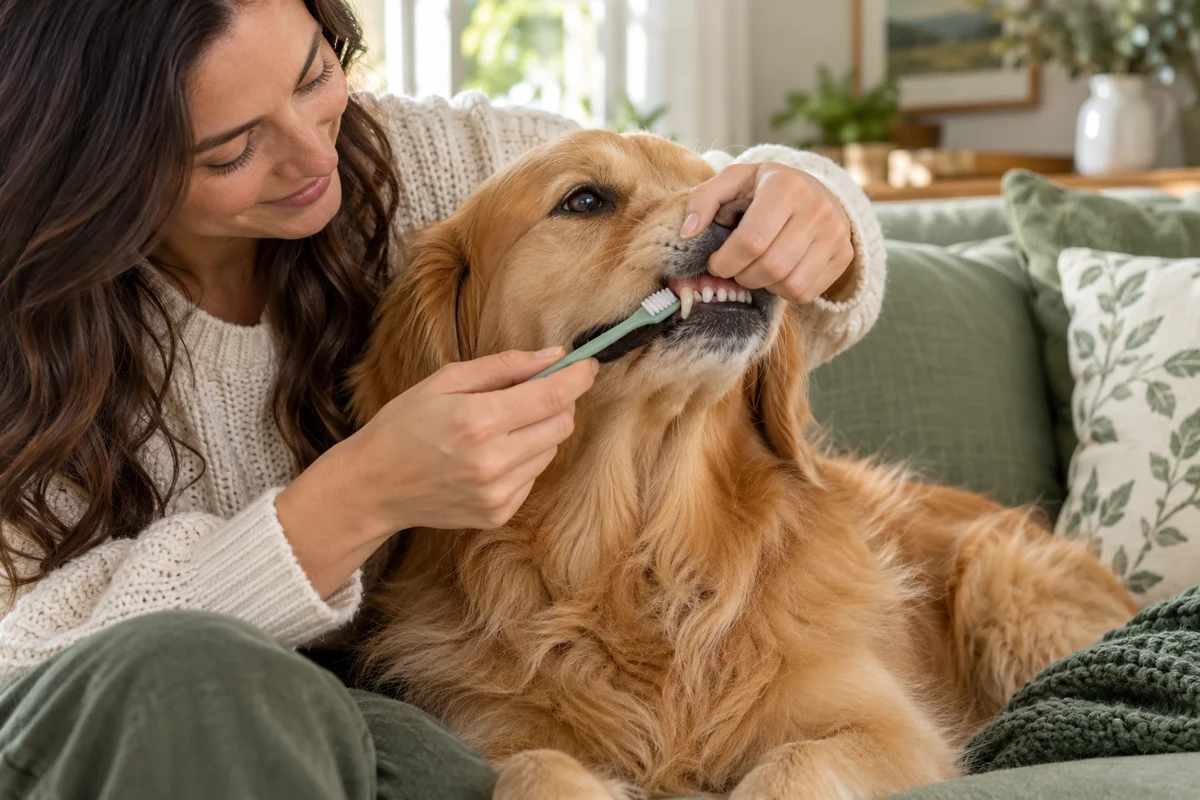
Brush your dog’s teeth or wipe them every day. Cornell calls brushing the most effective home habit for preventing dental disease. The AAHA dental care guidelines say it only helps when done daily. Start with a finger or soft cloth along the gumline, as VCA suggests, then move to a brush. Our guide to brushing dog teeth covers technique.
Use dog-safe products only. Never use human toothpaste or baking soda: VCA warns that some toothpastes contain xylitol, which is toxic to dogs. See why human toothpaste isn’t safe for dogs. Use a dog toothpaste, or plain sterile saline if your dog dislikes paste, as our guide to brushing without toothpaste explains.
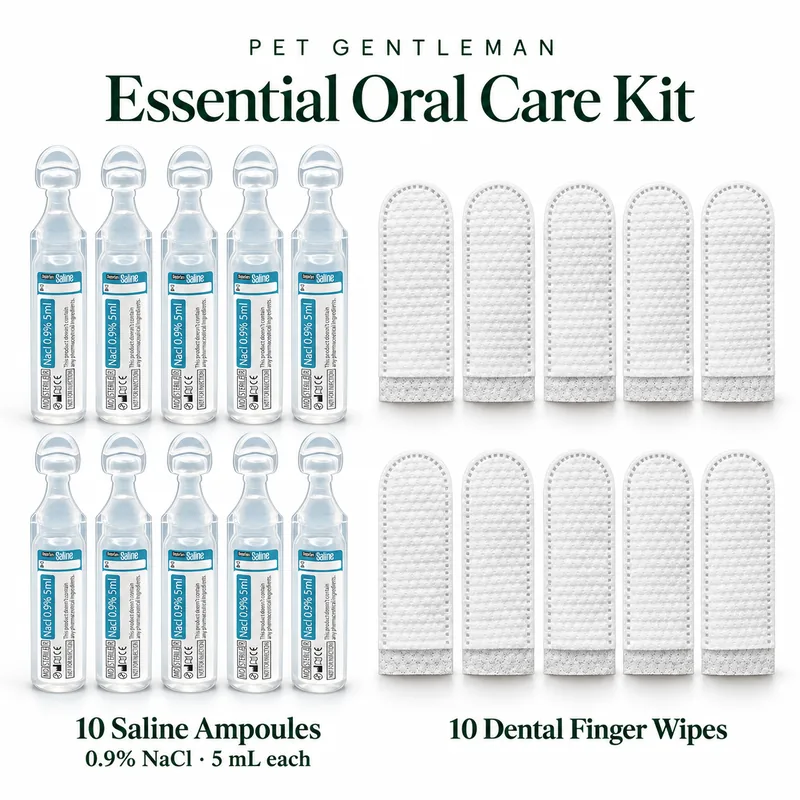
Our Essential Oral Care Kit pairs ten single-use ampoules of sterile 0.9% saline with ten textured finger wipes, a simple way to start daily wiping. It supports home hygiene in a healthy mouth. It doesn’t treat dental disease or remove tartar.
Add a VOHC-accepted dental aid. When you can’t brush every day, some dental diets, treats and water additives can slow plaque. VCA recommends products accepted by the Veterinary Oral Health Council (VOHC), and notes that zinc can bind the sulfur compounds behind the smell. Our guide to cleaning dog teeth without brushing compares the options.
Skip the shortcuts. Breath sprays and mints only cover odor. Scraping tartar at home misses the disease below the gums and can cut your dog; see how to remove plaque without scraping. If your dog resists mouth handling, our free 28-day adaptation plan builds the habit one step at a time.
Bad breath in puppies and senior dogs
Puppies. Merck notes that puppies start losing baby teeth at about 14 weeks; a baby tooth that doesn’t fall out is the main problem to watch for. A strong or rotten smell in a puppy is worth a vet check. Our puppy toothbrush guide covers the first weeks of care.
Senior dogs. Periodontitis builds over years of plaque and tartar, Merck explains. New bad breath in an older dog deserves a prompt exam, often with blood work to look for health issues such as kidney disease. Our senior dog teeth brushing guide adapts home care.
Dog bad breath FAQs
Why does my dog’s breath suddenly smell so bad?
A sudden change usually means something new: food or a stick wedged between teeth, a broken tooth, a mouth sore or something your dog ate. Call your vet the same day if it comes with vomiting, weakness or a change in thirst.
Can bad breath in dogs go away on its own?
Odor from a meal fades within hours. Bad breath from dental disease won’t, because AAHA notes that brushing removes plaque, not tartar. The fix is a professional dental cleaning, then daily home care.
Do dental chews or water additives cure bad dog breath?
No. VOHC-accepted chews, diets and water additives can reduce plaque and tartar buildup alongside brushing, but they don’t replace a dental exam.
The bottom line
Dog bad breath is a symptom worth taking seriously. Have your vet find the cause, then keep plaque down with a daily routine your dog accepts. For brushing, tools and checkups in one place, see our complete guide to dog dental care.
Sources: VCA Animal Hospitals, Cornell University’s Riney Canine Health Center, the Merck Veterinary Manual, the 2019 AAHA Dental Care Guidelines and the American Kennel Club, as linked above. This article is for general education; if your dog may be ill or in pain, contact a veterinarian.